
Tirzepatide at Bespoke: The Short Answer
Tirzepatide is a prescription medication that activates two hormone receptors, GIP and GLP-1, which help regulate appetite and blood sugar.
At Bespoke Aesthetics in Gainesville, FL, Dr. Carolyn Indianos, MD evaluates each patient in person, reviews their medical history and labs, and prescribes compounded tirzepatide only when it is clinically appropriate. Compounded tirzepatide and FDA does not review compounded drugs for safety, effectiveness, or quality.

Plan your visit
Where
Bespoke Aesthetics is located at 5010 W Newberry Rd, Suite C, Gainesville, FL.
When
Clinic hours are Monday to Friday, 10:30 AM to 5 PM, and Saturday, 12 PM to 4 PM.
Book
Call (352) 450-1004 to request a consultation with Dr. Carolyn Indianos, MD.
Tirzepatide Mechanism, Dual GIP/GLP-1 Agonist
Tirzepatide is a weight loss medication that activates two hormone pathways: GIP (glucose-dependent insulinotropic polypeptide) and GLP-1 (glucagon-like peptide 1). Semaglutide, by comparison, acts on the GLP-1 pathway only.
Its actions include increasing insulin release when blood sugar is elevated, reducing glucagon, slowing stomach emptying, and reducing appetite and food intake.
How tirzepatide acts
- Insulin release
- Glucagon
- Stomach emptying
- Appetite and food intake
These mechanisms do not establish how well any particular compounded formulation works.
Tirzepatide Treatment and Follow-Up
- Visit one
Evaluation
Your first visit is an in-person evaluation with Dr. Indianos.
- Your plan
Prescribing plan
She reviews your history and labs and, if tirzepatide is appropriate, builds your prescribing plan.
- Follow-up
Ongoing care
After that she follows up with you herself: how you are tolerating the medication, how your weight is changing, nutrition, hydration, and anything else you need.
- Dosing
Dose changes
Any dose change is made by her based on your response, so please do not change your dose on your own.
Call or text (352) 450-1004 to book your visit.
Tirzepatide vs. Semaglutide: Choosing With Dr. Indianos
Tirzepatide activates GIP and GLP-1 receptors; semaglutide activates GLP-1 receptors. That difference alone does not decide which medication is right for you. Dr. Indianos considers your medical history, current medications, clinically indicated lab results, previous treatment response, goals, and cost. Any switch between medications requires a new prescribing plan.

Not sure which one fits you? Bring your questions to your first visit.
Call or text (352) 450-1004 to book.
Tirzepatide Side Effects & Safety
Common side effects
Common side effects include nausea, vomiting, diarrhea, and constipation. How strong they are and how long they last varies, and they may appear after a dose change. Contact Dr. Indianos for persistent or severe nausea or vomiting, or if you cannot keep fluids down.
Managing symptoms
Smaller meals and avoiding foods that worsen symptoms may help. Fluid intake and treatments for nausea or constipation should reflect your own medical conditions and medications, so discuss them with Dr. Indianos. Seek urgent care for severe or persistent abdominal pain, and emergency care for trouble breathing or swelling of the face or throat.
Serious side effects
Serious side effects, including pancreatitis, gallbladder problems, and kidney injury from dehydration, can occur. FDA-approved tirzepatide labeling carries a boxed warning for thyroid C-cell tumors seen in rats; whether tirzepatide causes these tumors in people is unknown. Tirzepatide is not used in people with a personal or family history of medullary thyroid carcinoma or Multiple Endocrine Neoplasia syndrome type 2 (MEN 2). Dr. Indianos screens for these and other contraindications during your evaluation.
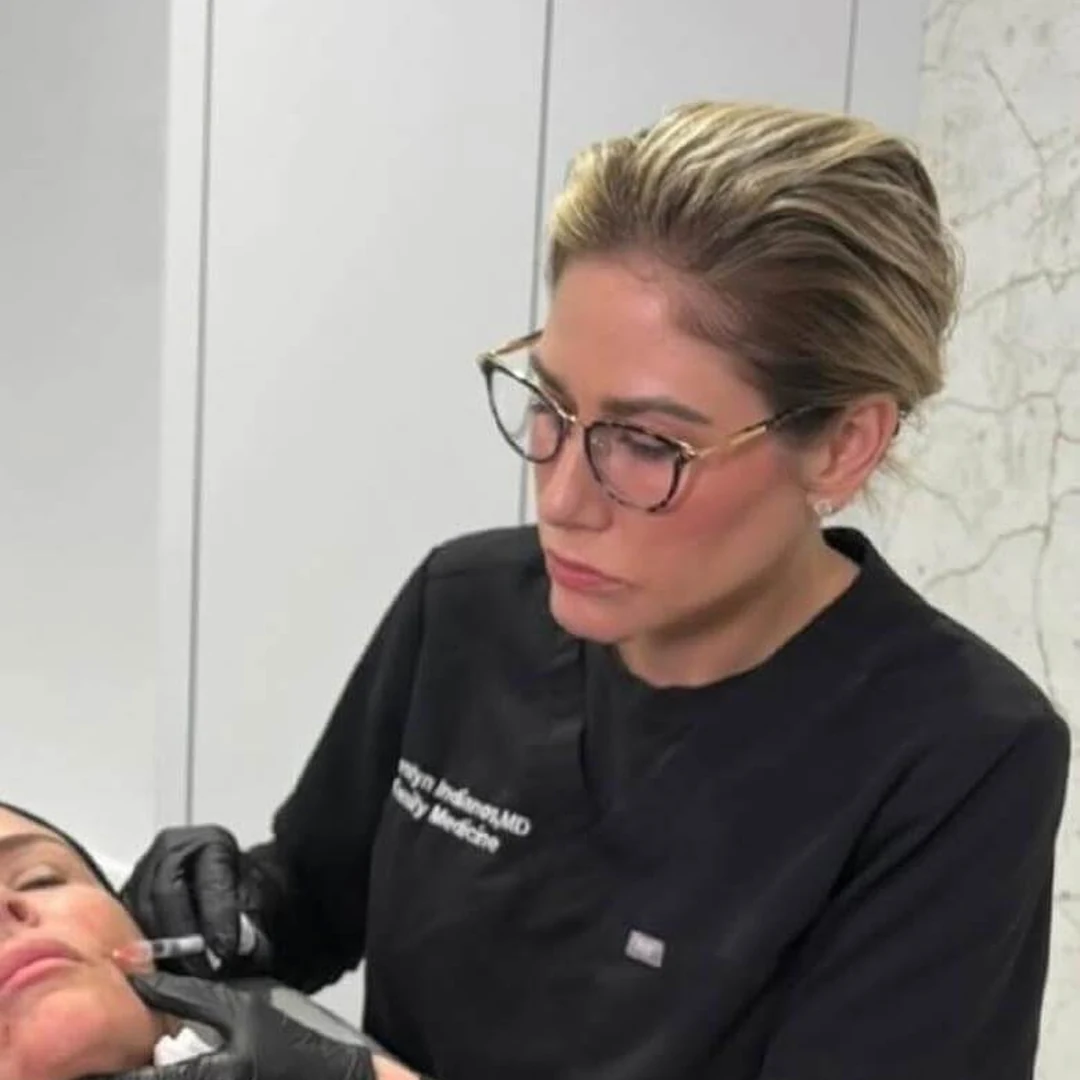
Dr. Carolyn Indianos, MD
Founder and Medical Director, Bespoke Aesthetics
Bespoke Aesthetics is a physician-led medical clinic. Dr. Carolyn Indianos, MD practices regenerative and aesthetic medicine. She prescribes and monitors all tirzepatide protocols. All compounded medications come from U.S. state-licensed 503A pharmacies that comply with USP 797 standards. We do not use overseas compounders.
Medically reviewed by Dr. Carolyn Indianos, MD, Founder and Medical Director, Bespoke Aesthetics.
Before you decide
GLP-1 drops
Seen GLP-1 drops advertised online? Read our honest guide to GLP-1 drops and why Bespoke prescribes injections instead.
Hair loss
Noticing more shedding than usual during weight loss? Read our guide to GLP-1 medications and hair loss.
Important information. Semaglutide and tirzepatide are prescription medications provided only after a consultation and evaluation by Dr. Indianos to determine whether treatment is appropriate for you. This page is general information and is not medical advice. Please consult Dr. Indianos about your individual situation.

Ready to find out if tirzepatide fits your plan?
Book your visit with Dr. Indianos. She reviews your history and labs, answers your questions, and tells you plainly whether tirzepatide is a fit. Ask about member pricing and Cherry financing.
Your first consultation is complimentary
Bespoke Aesthetics
5010 W Newberry Rd, Suite C, Gainesville, FL