Simple, Quiet, Precise.
Red and near-infrared light at 660 and 850nm is the family of wavelengths studied in photobiomodulation research. Dr. Indianos sets your dose, session length, and schedule, which a panel you buy online does not come with. Clients use it for skin routines, recovery days, and the simple pleasure of a quiet, warm-feeling light session.
What Is Red Light Therapy?
Red light therapy, also called photobiomodulation (PBM), is a calm, painless session under red and near-infrared light. You stand in front of a large panel, put on eye protection, and let the light do its work for 10 to 20 minutes. There is almost no heat, no downtime, and nothing to recover from.
Unlike a consumer panel you might buy online, your sessions here come with a physician: your protocol is chosen with Dr. Indianos around your goals.
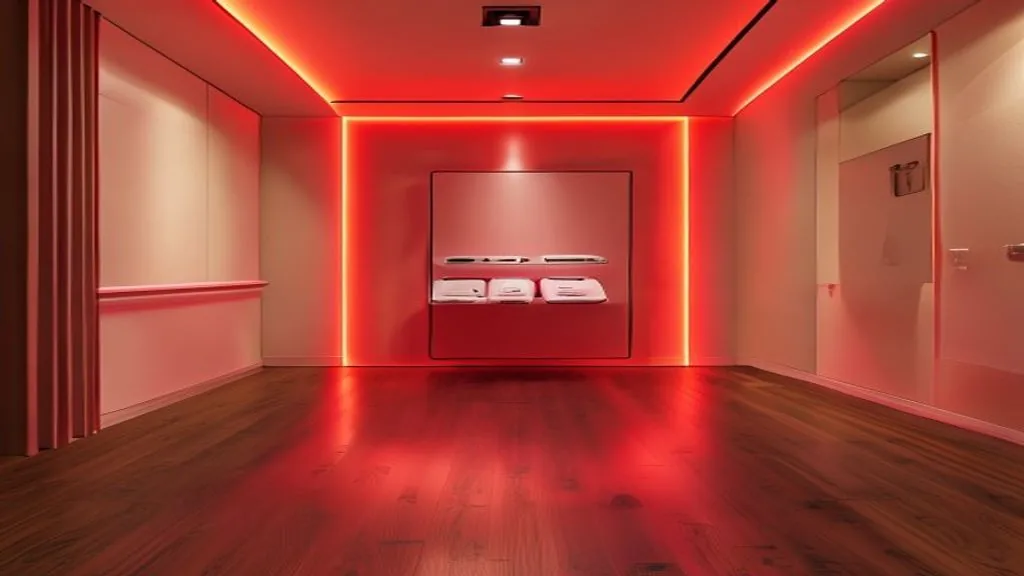 Almost no heat, no downtime
How Red Light Therapy Works in the Body
Red and near-infrared light is absorbed by the tissue it reaches, and researchers study how cells respond to that light, which is why photobiomodulation is a growing area of wellness research. What clients notice is simpler: a calm, quiet session under steady light, easy to fit into a lunch break or a recovery day. Individual experiences vary.
Our suite uses a full-body panel with two wavelengths:
660nm
visible red, the one people associate with skin
850nm
near-infrared, invisible, which travels deeper
Both are studied for how the body responds to them, and the research keeps growing. This is a wellness service, not a treatment for any medical condition.
Why Clients Choose Red Light
Post-workout recovery
Athletes and weekend lifters add red light to their recovery days, often alongside cold plunge and infrared sauna, as part of a routine that helps them feel ready for the next session.
Skin-care routines
Many clients add red light to a skin routine, and it is a natural companion to microneedling and exosome visits. Dr. Indianos can map out how the pieces fit together.
A moment to unwind
Ten to twenty minutes of steady light with your eyes closed is its own kind of reset.
Easy to stack
Pair it with the infrared sauna or halotherapy for a longer wellness floor visit.
Research on red light is ongoing.
Our Red Light Protocol at Bespoke
Dr. Indianos reviews your goals, whether that is recovery, skin, or simply a routine you enjoy, along with any light-sensitive conditions or medications, and sets your starting plan. Full-body sessions are done standing about 6 to 12 inches from the panel, with nothing to prepare.
- Typical session: 10 to 20 minutes, two to four times a week. Many clients start with a short series and settle into a rhythm.
- Recovery days: 15 to 20 minutes after training, three to four times a week
- Skin routine: 15 to 20 minutes, two to three times a week
Red light pairs well with infrared sauna, cold plunge, microneedling or exosome visits, and our IV lounge. Bespoke members get weekly red light sessions as part of membership. Your first consultation is complimentary. Call or text (352) 450-1004 to book.
Who Is a Good Candidate?
Red light suits:
- Athletes and fitness enthusiasts building a recovery routine
- Clients who want a skin-care add-on to their aesthetic plan
- Anyone who wants a quiet, restorative appointment between treatments
- Clients finishing a microneedling or exosome visit who want to complete the visit with light
Talk with Dr. Indianos first if you have severe macular degeneration, take photosensitizing medications (certain antibiotics, NSAIDs, some antidepressants), have had recent retinal surgery or radioactive iodine treatment for thyroid cancer, or are pregnant.
Red Light + Microneedling or Exosome Therapy
Red light is a favorite add-on after collagen-focused visits, so you can leave a microneedling or exosome appointment with one more step done.
Microneedling pairing: many clients finish a microneedling visit with a red light session. Dr. Indianos will tell you whether and when it fits your plan.
Exosome pairing: the same goes for exosome therapy. Ask Dr. Indianos how to schedule red light around your treatment.
Timing: your plan is set at your visit.
Asking about red light for thinning hair? Our hair loss evidence guide covers how scalp treatments are evaluated and what Dr. Indianos looks at first.
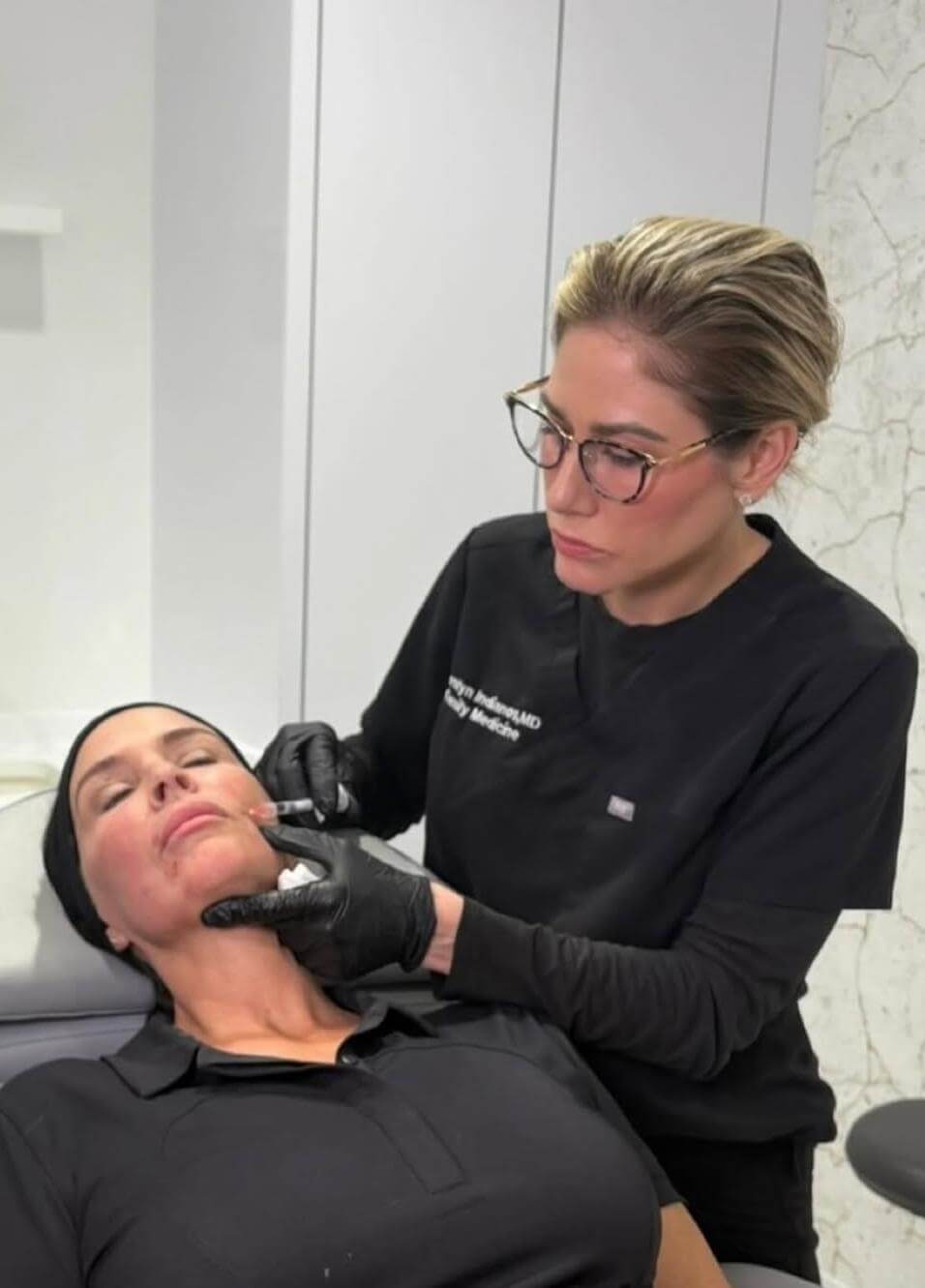
Dr. Carolyn Indianos, MD
Founder and Medical Director, Bespoke Aesthetics
Red light therapy at Bespoke is physician-supervised. Dr. Carolyn Indianos, MD evaluates your skin and health goals before designing your protocol, wavelength, dose, frequency, and complementary treatments.
Medically reviewed by Dr. Carolyn Indianos, MD, Founder and Medical Director, Bespoke Aesthetics.
Your sessions are planned by a physician, not left to guesswork with a consumer panel.
Our approach
More on the wellness floor
Build a recovery session: red light therapy pairs well with the infrared sauna, cold plunge, and halotherapy: or add a drip in the IV Lounge.
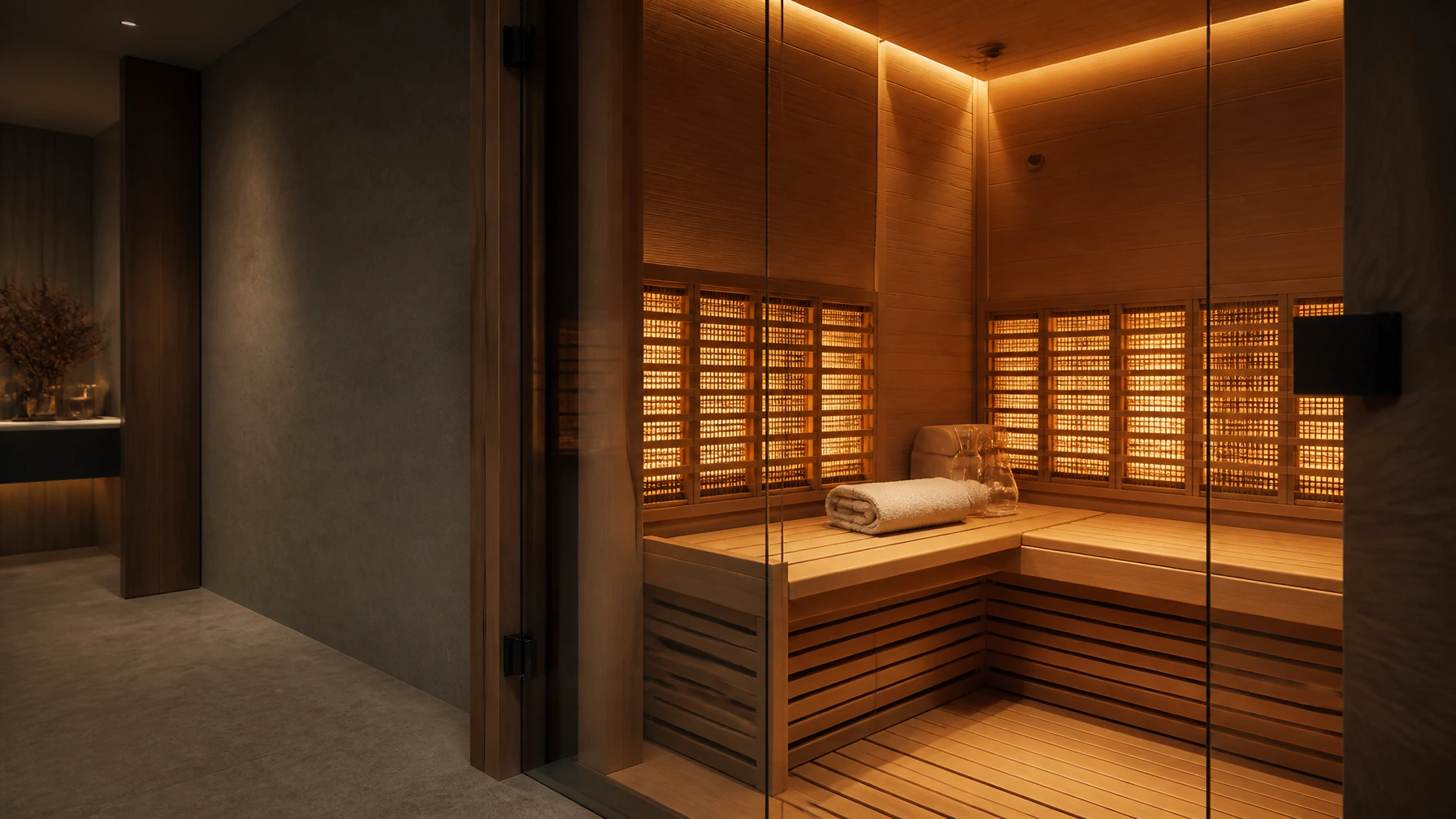
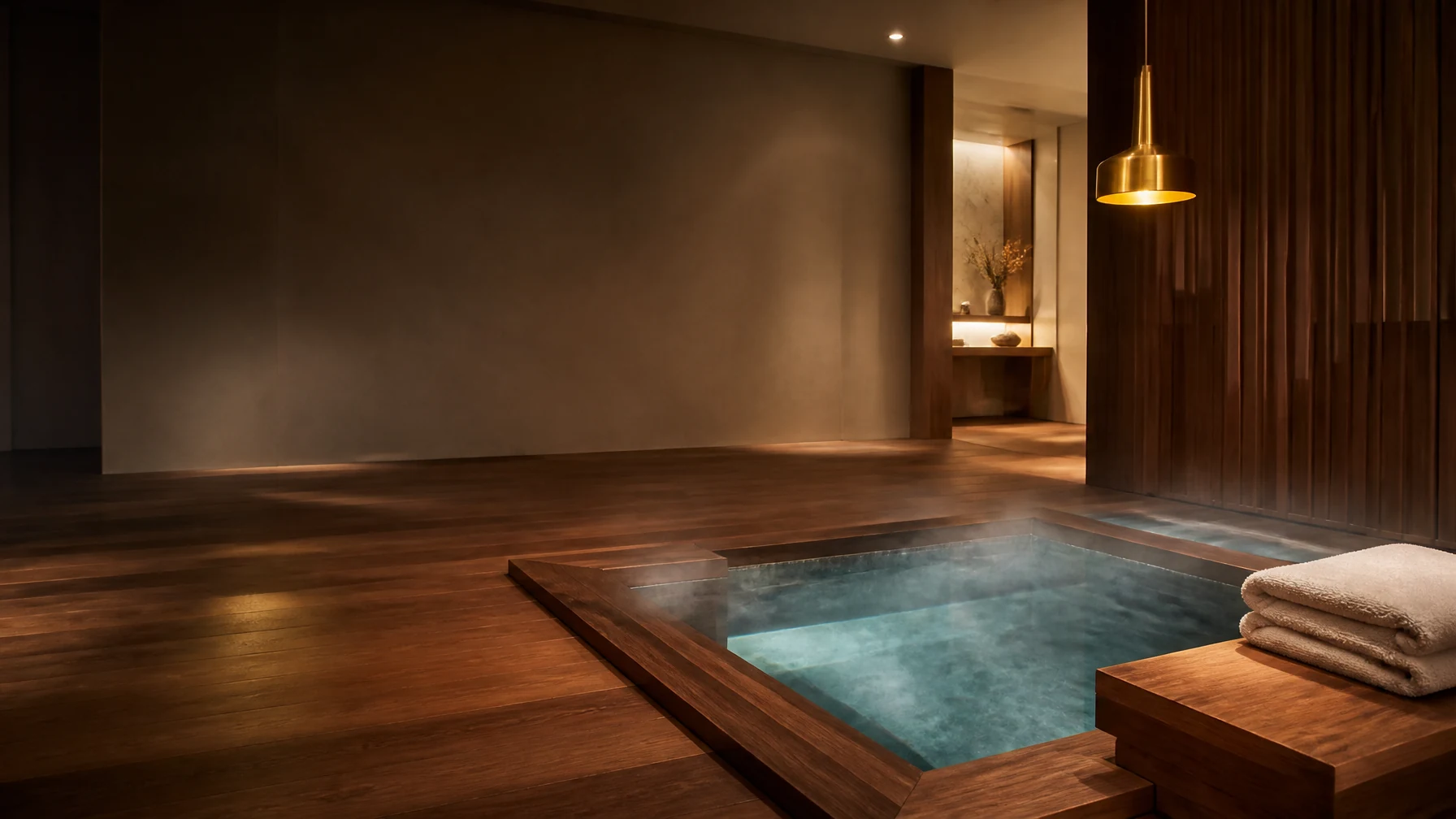
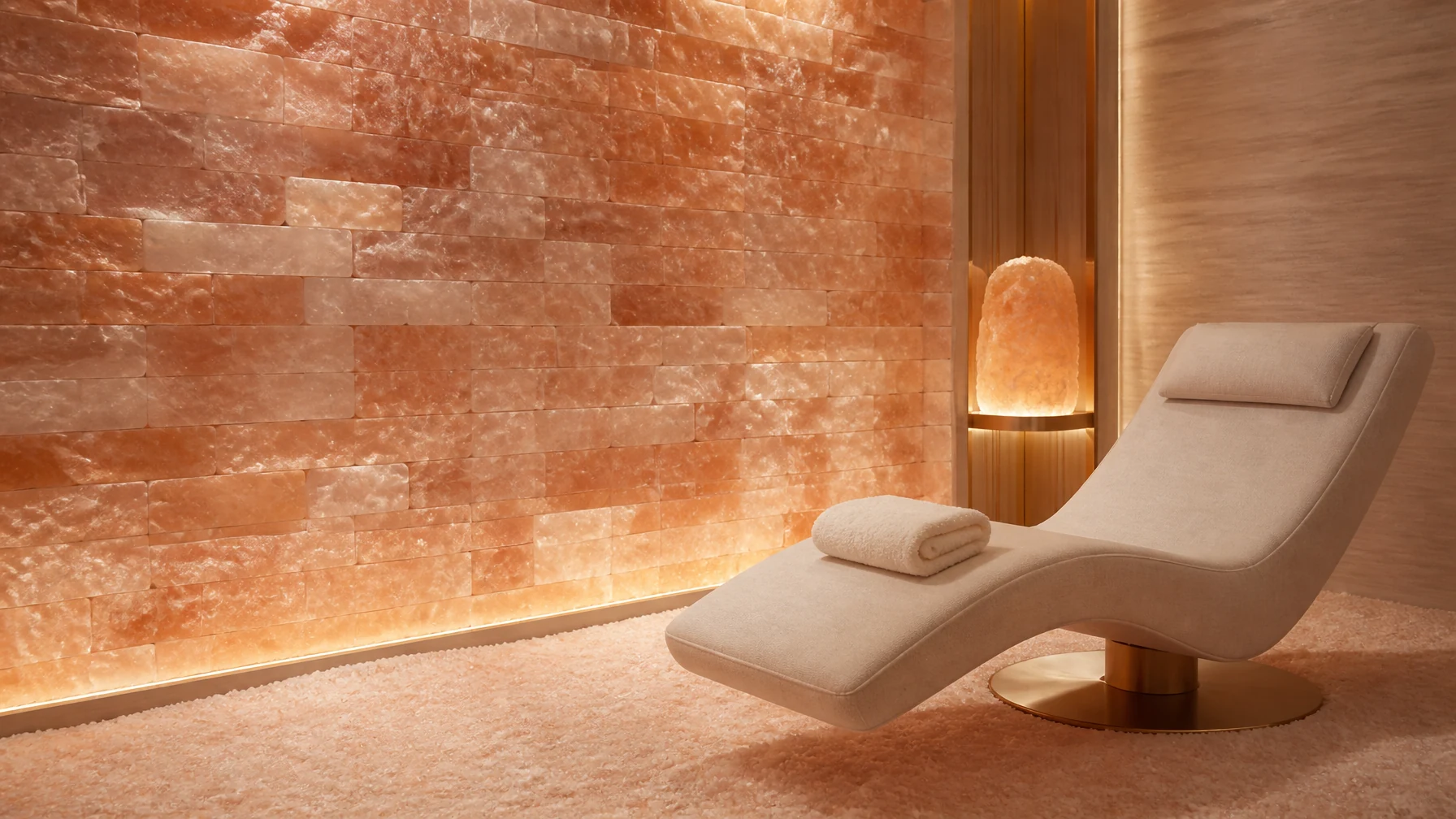
Members get weekly red light therapy sessions, plus sauna and cold plunge.
Ready to book red light therapy?
Book your red light therapy session with Dr. Indianos. Your first consultation is complimentary. Call or text (352) 450-1004 and we will review your goals, whether that is skin, recovery, or a routine you will love, and build your photobiomodulation plan.
Bespoke Aesthetics
5010 W Newberry Rd, Suite C, Gainesville, FL