
Search infrared sauna benefits and you will get a long list of confident claims, most of them written by companies that sell saunas. This post walks through what the research supports, how infrared differs from a traditional sauna, and how sessions work at our Gainesville clinic.
What to Know
- Infrared saunas heat the body directly with infrared wavelengths instead of heating the surrounding air, so they operate cooler than traditional saunas, roughly 120 to 150 degrees Fahrenheit against 180 to 200.
- The best-supported effects are the ones you notice in the room: warmth, relaxation, muscle relaxation, and a heart rate and circulatory response comparable to light physical activity.
- Sauna is not a detox treatment and it is not a weight-loss treatment. Weight lost during a session is water, and it comes back when you rehydrate.
- Sessions at Bespoke take place in a private room rather than a shared communal bench and typically run 15 to 20 minutes, with chromotherapy and halotherapy available as additions.
- Dr. Indianos reviews your health history before your first session.
What an Infrared Sauna Actually Is
A traditional sauna heats the air in the room, and the hot air heats you. That is why traditional units run at 180 to 200 degrees Fahrenheit and why a lot of people find them oppressive after a few minutes. An infrared sauna works differently. It emits infrared wavelengths that your body absorbs directly, warming you without needing the surrounding air to be as hot. Full-spectrum units combine near, mid, and far infrared wavelengths, which sit at different points on the infrared band.
The practical consequence is comfort. At 120 to 150 degrees, the air is tolerable for people who cannot last in a traditional sauna, which usually means they stay long enough to actually get warm rather than tapping out early. That is a real and underrated difference, and it is a large part of why infrared units have spread through clinics and wellness studios. Our own unit and how it is used are covered on the infrared sauna page.
| Infrared sauna | Traditional sauna | |
|---|---|---|
| How heat reaches you | Infrared wavelengths absorbed directly by the body | Hot air heats the room, the room heats you |
| Typical air temperature | About 120 to 150 degrees Fahrenheit | About 180 to 200 degrees Fahrenheit |
| How it tends to feel | Gradual, tolerable, easier to sit through | Immediate and intense, harder for some people to tolerate |

What a Session Looks Like at Our Gainesville Clinic
Sessions at Bespoke Aesthetics take place in a private room, not a shared bench, and typically run 15 to 20 minutes. Session length is adjusted by the clinical team as your tolerance builds and based on what you are using the sauna for, which is a conversation worth having rather than a number to copy from an article.
Two additions are available. Chromotherapy adds colored light to the session, used for a more restorative experience rather than for any specific medical outcome. Halotherapy introduces micronized salt into the air and is commonly chosen alongside sauna time. Neither is a treatment for a diagnosed condition.
Practical preparation matters more than most people expect. Hydrate in the hours before your session, ideally with electrolytes rather than plain water alone, and avoid a heavy meal in the 60 to 90 minutes beforehand. Afterward, rehydrate deliberately, replace electrolytes, and give yourself 15 to 20 minutes of cooldown before anything strenuous.
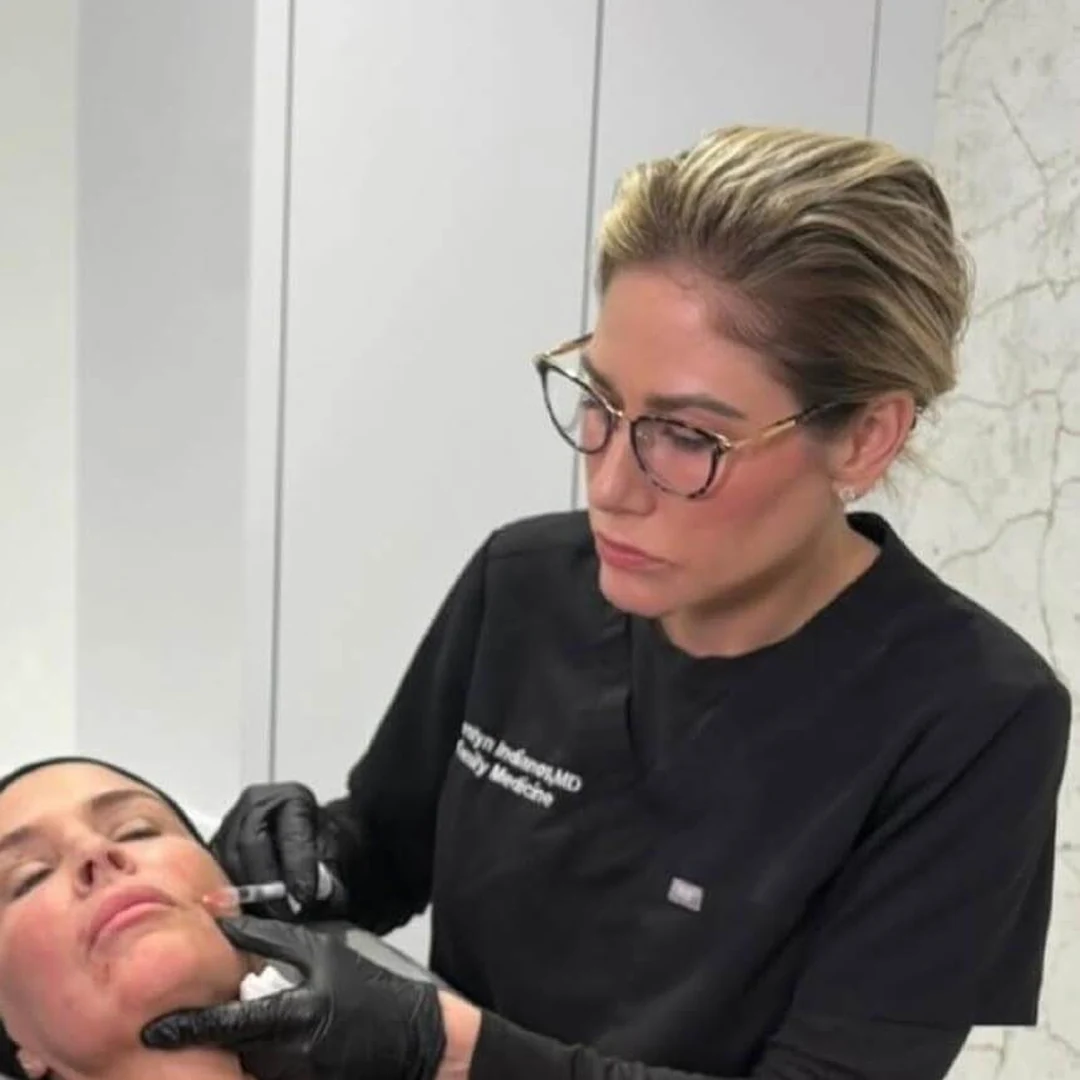
The part that separates a clinic from a stand-alone sauna studio is what happens before your first session. Dr. Carolyn Indianos, MD, reviews your medical history and clears you based on it. A studio selling drop-in sessions generally does neither.

Infrared Sauna Benefits the Research Actually Supports
Two things hold up reasonably well:
A measurable circulatory response. Heat raises core and skin temperature, widens blood vessels, and increases heart rate. The physiological response during a session is comparable in some respects to light to moderate physical activity. This is measurable and uncontroversial, and it is the mechanism underneath most of the other claims.
Relaxation and perceived muscle relaxation. This is consistently reported by people who use saunas regularly. It is the reason most people keep coming back and it is a legitimate thing to want.
Detox and Weight Loss
Detoxification. Sweat is mostly water and electrolytes, with trace amounts of other compounds. The claim that sweating meaningfully reduces the body’s toxic burden is not established, and the liver and kidneys handle that work continuously whether you sweat or not. We describe sauna by what it reliably delivers: heat exposure, cardiovascular response, and the recovery and relaxation benefits that follow.
Weight loss. A session produces noticeable water-weight loss and a modest calorie burn. The water comes back when you rehydrate, which you should. Infrared sauna is not a fat-loss treatment, and any marketing that suggests otherwise is selling you something. Where heat exposure may help is indirectly, by supporting recovery and making a training routine easier to sustain. That is a smaller claim, and it is the accurate one.
Who It Suits
Infrared sauna suits people who want a low-effort relaxation and recovery practice they will actually keep, people who find traditional sauna heat intolerable, and people already building a recovery routine who want to add heat to it. If you are considering pairing sauna with cold exposure, that combination has its own mechanics, and we covered it separately in our piece on contrast therapy with sauna and cold plunge.
How Often, and How to Think About Cadence
Consistency at a sustainable frequency tends to be more useful than occasional intense use, which is true of most wellness practices and is not specific to saunas.
Many people who build sauna into a routine go once to three times a week. Some protocols use more. At Bespoke, cadence is set by the clinical team based on your history and what you are trying to accomplish, and sauna sessions are included in the Longevity and Wellness membership alongside cold plunge, red light, and halotherapy, which is how most regular users end up structuring it.
Frequently Asked Questions
What are the real infrared sauna benefits?
The best-supported effects are a measurable circulatory response during the session, comparable in some respects to light physical activity, and consistently reported relaxation and muscle relaxation.
Is an infrared sauna better than a traditional sauna?
Better is the wrong frame. Infrared runs cooler, around 120 to 150 degrees Fahrenheit against 180 to 200, which makes it far easier to tolerate for a full session. That comfort advantage is real.
Does an infrared sauna detox your body?
No. Sweat is mostly water and electrolytes with trace amounts of other compounds, and there is no established evidence that sweating meaningfully reduces the body’s toxic burden. The liver and kidneys handle that work continuously. Sauna earns its place on circulation, recovery, and relaxation rather than on detox claims.
Can an infrared sauna help with weight loss?
Not directly. A session produces water-weight loss that returns when you rehydrate, plus a modest calorie burn. Infrared sauna is not a fat-loss treatment. It may help indirectly by supporting recovery and making a consistent training routine easier to maintain.
How long should an infrared sauna session be?
Sessions at Bespoke typically run 15 to 20 minutes in a private room, adjusted by the clinical team as tolerance builds.
Medically reviewed by Dr. Carolyn Indianos, MD, Founder and Medical Director, Bespoke Aesthetics. Last updated October 2026.
If you want to know whether infrared sauna sessions make sense for your health history, the honest first step is having someone look at that history. Dr. Carolyn Indianos, MD, Founder and Medical Director, reviews it before clearing anyone for sessions. Call 352-450-1004 or visit joinbespokeaesthetics.com/contact/ to request a consultation at our Gainesville clinic.