Ipamorelin vs sermorelin is one of the most common questions patients bring to a peptide consultation, usually after reading that both raise growth hormone and finding no clear explanation of how they actually differ. They are not two versions of the same thing: they come from different drug classes, and they act on different receptors.
What to Know
- Both are growth hormone secretagogues. Neither supplies growth hormone directly. Both prompt the pituitary gland to release the body’s own growth hormone.
- Sermorelin is a growth hormone releasing hormone (GHRH) analog. Ipamorelin is a growth hormone releasing peptide that acts on the ghrelin receptor. Two different receptors, two different signals.
- Because they work through separate pathways, a physician may prescribe a GHRH analog alongside a growth hormone releasing peptide rather than picking one. This is why CJC-1295 and Ipamorelin are so often prescribed as a pair.
- Both are compounded preparations.
- No dosing appears anywhere in this article. Which peptide, and whether either is appropriate at all, is a physician decision made after a health history and lab review.
What Sermorelin Is and How It Works
Sermorelin is a synthetic version of growth hormone releasing hormone, the signal your hypothalamus sends to your pituitary gland when it wants growth hormone released. It reproduces the biologically active fragment of that natural hormone, the first 29 amino acids, which is why you will sometimes see it written as GHRH 1-29.
Mechanically, it binds the GHRH receptor on the pituitary and asks the gland to do what it already knows how to do. The growth hormone that shows up in the bloodstream is the patient’s own, released in the body’s natural pulsing pattern and still governed by the body’s own feedback controls. That is a meaningful difference from injecting growth hormone itself, where the feedback loop is bypassed entirely.
Sermorelin is dispensed today as a compounded preparation. More detail on our protocol is on the sermorelin therapy page.
What Ipamorelin Is and How It Works
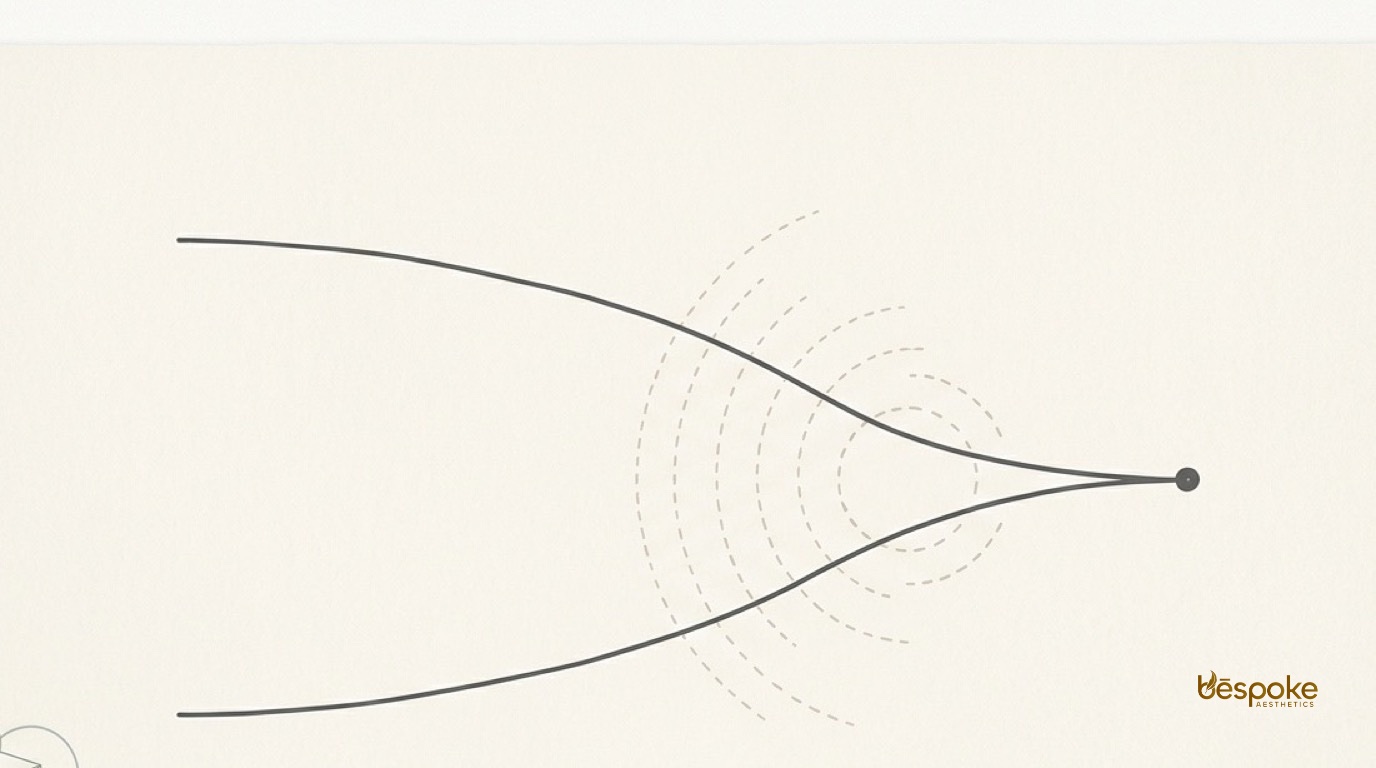
Ipamorelin is a five amino acid peptide from the growth hormone releasing peptide (GHRP) family. It does not touch the GHRH receptor. It binds the growth hormone secretagogue receptor, the same receptor the hunger hormone ghrelin uses, and prompts growth hormone release through that entirely separate door.
What set ipamorelin apart when it was characterized was selectivity. Earlier compounds in the same family, GHRP-2 and GHRP-6, tended to move other pituitary signals as well, including cortisol, prolactin, and appetite. Ipamorelin was described as more selective for growth hormone release specifically, with less spillover into those other systems. That relative selectivity is the main reason it became the GHRP most commonly used in wellness practice rather than one of its predecessors.
Ipamorelin acetate is also a compounded preparation. It is most often prescribed in combination with CJC-1295, and our page on CJC-1295 and Ipamorelin covers that pairing specifically.
Ipamorelin vs Sermorelin: The Difference That Actually Matters
Most comparisons online frame this as a strength contest, as though one peptide is simply a more powerful version of the other. That framing misses what is actually going on. The two act on different receptors, which means they are not competing for the same job. They are complementary signals into the same gland.
What they share is the thing that matters most clinically. Because both work upstream, prompting release rather than delivering hormone, the pituitary’s own regulatory brakes stay in place. A review of growth hormone secretagogues published in Sexual Medicine Reviews makes this point directly: secretagogues promote pulsatile growth hormone release that remains subject to negative feedback, which can prevent the supratherapeutic hormone levels seen with direct administration.
| Peptide | Class and receptor | How growth hormone is released |
|---|---|---|
| Sermorelin | GHRH analog, acts on the GHRH receptor | Mimics the natural hypothalamic signal to the pituitary |
| Ipamorelin | Growth hormone releasing peptide, acts on the ghrelin receptor | Triggers release through the growth hormone secretagogue pathway |
| CJC-1295 | GHRH analog, acts on the GHRH receptor | Same pathway as sermorelin, with a longer duration of action |

How a Physician Actually Chooses Between Them
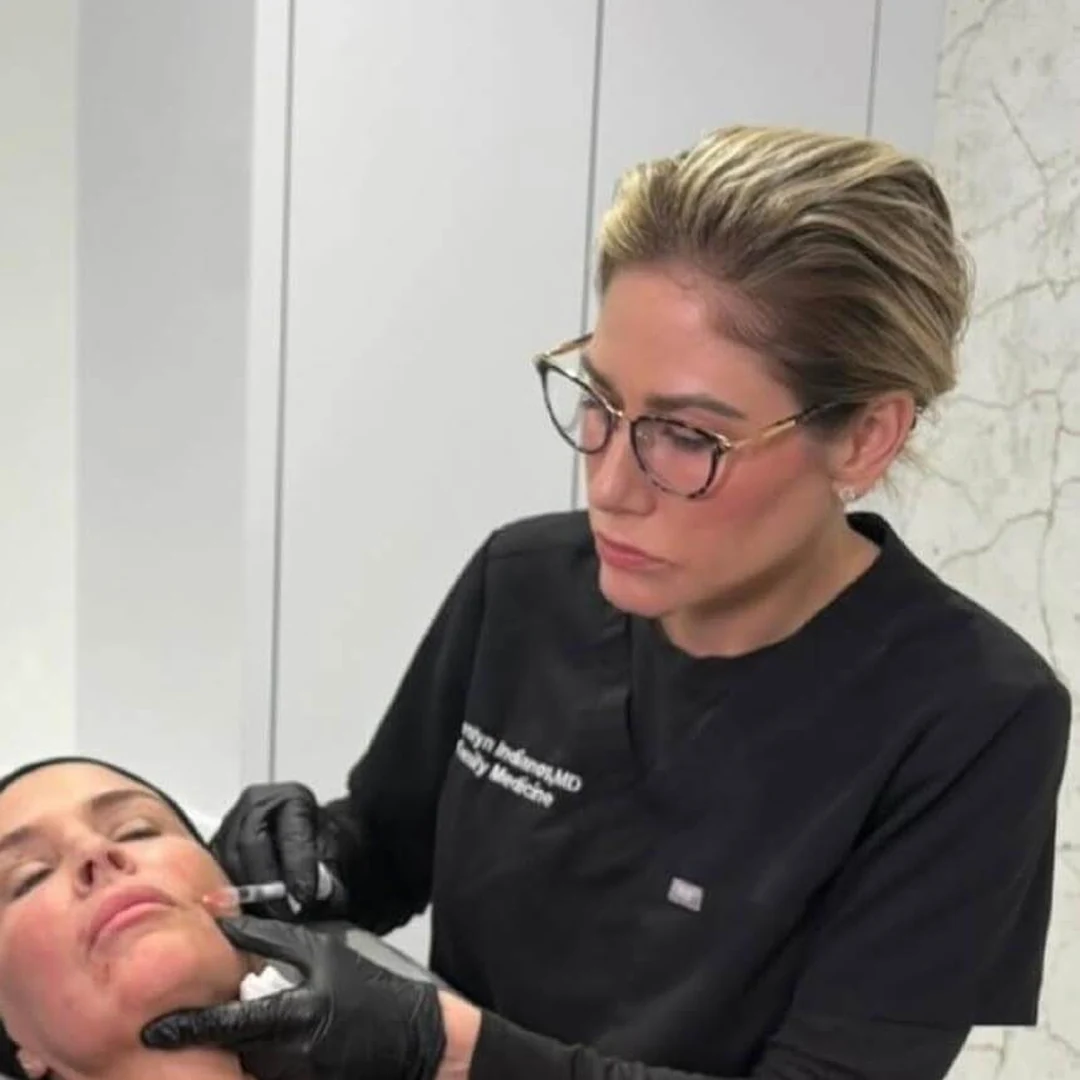
In practice the decision is not made from an article. It is made from a health history, a set of labs, and a clear statement of what the patient is trying to address. Dr. Carolyn Indianos, MD, works through roughly this sequence:
- Goals and symptoms first. Recovery, sleep quality, and body composition are the reasons patients most often raise this class. Those are different targets and they do not all point to the same protocol.
- Baseline bloodwork. IGF-1 is the standard marker for growth hormone activity, and it is reviewed alongside metabolic and glucose markers.
- Pathway logic, not brand preference. Because sermorelin and ipamorelin work through different receptors, the question is frequently not which one, but whether a GHRH analog alone is the right starting point or whether a combined approach fits the goal better.
- Follow-up labs and reassessment. The first protocol is a starting point that gets reviewed against repeat bloodwork and reported symptoms, not a subscription that runs unattended.

What Supervision Involves, and Why Sourcing Matters
Neither peptide is a supplement, and neither is available on a self-directed basis at our clinic. Ongoing supervision means baseline labs before a prescription is written, follow-up labs to see how the body has responded, and periodic review of whether the protocol still makes sense.
Sourcing matters too. A large volume of peptide sold online comes from research-chemical vendors that operate outside the pharmacy system entirely, and a compounded prescription from a licensed pharmacy under physician supervision is a materially different thing from a vial ordered from a website.
What Ipamorelin and Sermorelin Therapy Cost
Peptide protocols in this class are generally priced on a monthly basis, and the figure depends on which peptide or combination your physician selects, whether it is prescribed alone or as part of a broader plan, and what lab work and follow-up your care requires. Because the protocol is chosen after your evaluation rather than before it, an accurate number is something we confirm at consultation. Our current pricing for the CJC-1295 and Ipamorelin protocol is discussed directly with you at that visit, and it is worth asking what is included so you can compare honestly against other clinics.
Frequently Asked Questions
Is ipamorelin stronger than sermorelin?
That comparison does not hold up well, because the two act on different receptors rather than doing the same job at different intensities. Sermorelin works through the GHRH receptor and ipamorelin works through the ghrelin receptor. Which is more appropriate for a given patient depends on goals, labs, and health history, not on a ranking.
Can sermorelin and ipamorelin be used together?
A GHRH analog and a growth hormone releasing peptide are frequently prescribed in combination, which is exactly why CJC-1295 and Ipamorelin are so commonly paired. Whether any combination is appropriate for you is a physician decision made after an evaluation, and we do not publish protocol details online.
What is the difference between sermorelin and CJC-1295?
Both are GHRH analogs acting on the same receptor, so they are far closer to each other than either is to ipamorelin. The practical difference is duration of action: CJC-1295 was designed to extend how long the growth hormone releasing signal lasts. Both are compounded.
How much does ipamorelin or sermorelin therapy cost per month?
Protocols in this class are priced monthly, and the amount depends on which peptide or combination is prescribed and what lab work and follow-up your plan includes. We confirm current pricing at your consultation rather than quoting a figure that may not match the protocol you actually need.
Medically reviewed by Dr. Carolyn Indianos, MD, Founder and Medical Director, Bespoke Aesthetics. Last updated November 2026.
The useful version of this comparison is not one you can complete on your own, because the deciding inputs are your history, your labs, and what you are actually trying to change. Request an evaluation with Dr. Carolyn Indianos, MD, and you will get a straight answer about whether either peptide fits. Call our Gainesville clinic at 352-450-1004 or contact us to schedule, and see our full peptide therapy program for the rest of what we offer.