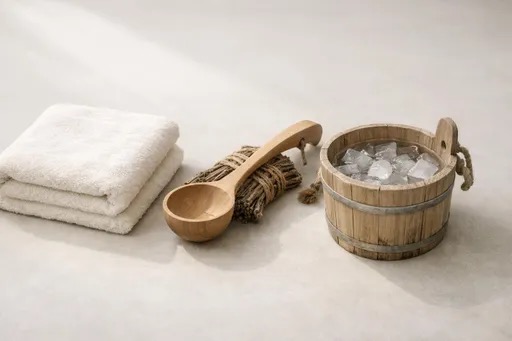
Sauna rooms and cold plunge tubs have both been sitting in gyms and spas for years, usually as separate amenities. The contrast therapy benefits people are actually chasing, faster perceived recovery, calmer soreness, a clearer head after a hard week, come from using heat and cold in sequence, not from picking one and skipping the other. This post covers what each side does on its own, why alternating between them is the actual point, what the evidence supports (and where it is still thin), and who should talk to a physician before trying it.
What to Know
- Contrast therapy means alternating heat exposure (sauna) with cold exposure (cold plunge) in the same session, not choosing one over the other.
- Heat widens blood vessels and increases heart rate. Cold narrows them and can sharply raise heart rate and blood pressure at first, known as the cold-shock response.
- Evidence for reduced muscle soreness after exercise is modest; evidence for other claimed benefits (mood, sleep, immune function) is preliminary and mixed.
- Cold and heat both stress the cardiovascular system. People with heart conditions, uncontrolled blood pressure, or who are pregnant should get physician clearance first.
- Bespoke’s Longevity/Wellness membership ($250 per month, 15 sessions across sauna, cold plunge, red light, and halotherapy) is built around exactly this kind of routine use.
- Contrast therapy is a recovery and wellness practice.
What Contrast Therapy Actually Is
Contrast therapy is the practice of moving between hot and cold exposure in the same session, usually a stretch of heat followed by a stretch of cold, repeated a few times. The version most people know from physical therapy is contrast water therapy: alternating hot and cold water immersion after an injury or hard training block. The version showing up in wellness clubs and medical spas now is the same principle applied with an infrared sauna and a cold plunge instead of a bathtub. The mechanism is the same either way: you are asking the circulatory system to expand, then contract, then expand again, on purpose.
What Heat Does: The Sauna Side
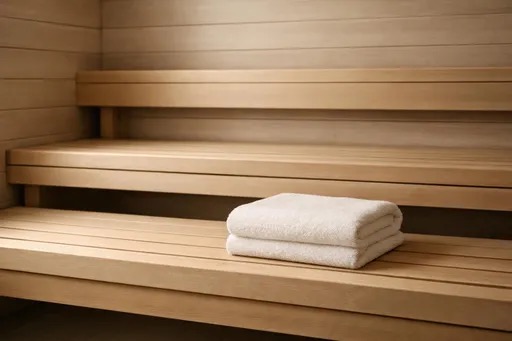
Sauna use, especially infrared sauna, raises core and skin temperature, which widens blood vessels (vasodilation) and increases heart rate, similar to a moderate cardiovascular effort. People commonly use sauna sessions for muscle relaxation, a sense of stress relief, and easier joint mobility. Some observational research has linked regular sauna use to cardiovascular health markers over time, but that research is population-level and does not mean a single session produces a measurable medical effect for any one person. A typical sauna session in a wellness setting runs 15 to 30 minutes.
What Cold Does: The Plunge Side
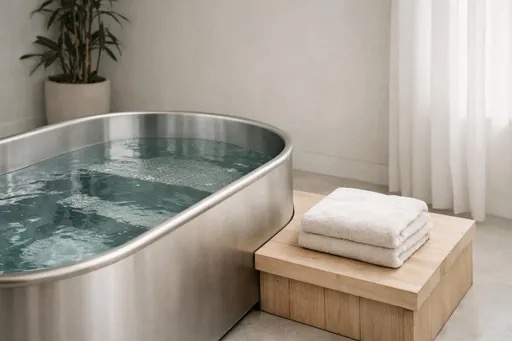
Cold plunge works differently. Cold water immersion narrows blood vessels (vasoconstriction), which is the mechanism behind its use after hard training: it is believed to reduce swelling and blunt the inflammatory response that drives next-day soreness. People also report a sharper, more alert feeling immediately after, which lines up with the adrenaline and norepinephrine response cold exposure triggers. A typical cold plunge session is short, often 2 to 5 minutes, because the cardiovascular demand of cold immersion is real and the benefit does not appear to scale much past that window.
Why Alternating Is the Actual Point
Heat alone relaxes. Cold alone constricts. Contrast therapy benefits are thought to come from the repeated switch between the two: vessels widen under heat, then narrow under cold, then widen again. That repeated shift is what people are usually describing when they say contrast therapy “flushes” muscles or improves circulation. It is a physiologically plausible explanation, and it is consistent with what is measured in small studies, but it has not been proven to outperform single-modality use for every outcome people claim. Alternating is a commonly recommended pattern for post-exercise use, and most of the soreness research is on cold water immersion. For general relaxation, either modality alone still has value.
What the Evidence Actually Supports (and Where It Is Thin)
This is the section worth reading before spending money on either modality. A Cochrane systematic review of cold water immersion for post-exercise muscle soreness found some evidence that cold water immersion reduces delayed-onset muscle soreness compared to doing nothing, though the review also noted the studies were small and varied in design, and it rated overall study quality as low. That is a real, evidence-supported use case: recovery after hard training. Claims that go further, that contrast therapy improves immune function, meaningfully changes long-term inflammation markers, or produces measurable mood or sleep benefits, rest on much smaller and more preliminary studies. Some of that research is promising. None of it rises to the level of a proven medical outcome. Contrast therapy is reasonably described as a recovery and wellness practice with some support for reduced soreness after exercise, and weaker, still-developing support for everything else.
Safety First: Getting Cleared Before You Start
Both sides of contrast therapy put real, measurable stress on the cardiovascular system. Sauna raises heart rate and core temperature; cold immersion triggers rapid vasoconstriction and can sharply raise heart rate and blood pressure (the cold-shock response). Neither is risk-free, and combining them in one session compounds the demand on the heart.
At Bespoke Aesthetics, recovery services sit inside a physician-led practice, so questions about whether contrast therapy fits a specific health history go to the clinical team, not a front-desk guess.
How to Fit It Into a Week
Most people who use contrast therapy for recovery build it around training days, not every day. A common general approach is a sauna block, a short cold plunge, and a repeat or two of that pattern, finishing on whichever side feels right for the rest of the day (heat before rest, cold before activity). Specific protocols, exact timing, and session order should come from the Bespoke clinical team based on individual health history, not a generic online routine. Many members pair a session with red light therapy the same visit, since the three modalities are often used together in a single recovery block.
| Sauna (Heat) | Cold Plunge (Cold) | |
|---|---|---|
| What it does physiologically | Raises core and skin temperature, widens blood vessels, increases heart rate | Rapidly cools skin and core, narrows blood vessels, spikes heart rate and blood pressure briefly |
| What people use it for | Muscle relaxation, perceived stress relief, joint mobility | Post-exercise soreness, reduced swelling, mental alertness |
| Typical session length | 15 to 30 minutes | 2 to 5 minutes |
Frequently Asked Questions
What are the real contrast therapy benefits?
The best-supported benefit is reduced perceived muscle soreness after hard exercise, backed by some research on cold water immersion specifically, though the studies are small. Reported benefits around circulation, relaxation, and mental clarity are consistent with the physiology but are less rigorously studied. Contrast therapy is offered here as a recovery and wellness service.
Sauna vs cold plunge: which one should I do first?
Most people who use contrast therapy do heat first, then cold, and repeat that pattern once or twice. The specific order and timing is a reasonable thing to ask the Bespoke clinical team about at a consultation, since it can depend on individual health history and what you are using the session for.
Can I just do sauna or just do cold plunge instead of both?
Yes. Each modality has value on its own, sauna for relaxation and general wellness, cold plunge for post-exercise soreness. Alternating between them is what the “contrast” in contrast therapy refers to, and it is a common pattern for recovery, but doing either one alone is not a wrong choice.
Is contrast therapy safe for everyone?
No. People with heart conditions, uncontrolled blood pressure, or who are pregnant should get physician clearance before starting. Both heat and cold exposure place real demand on the cardiovascular system. This is a genuine safety consideration, not a formality, which is why physician oversight matters.
How often should I do contrast therapy sessions?
There is no single correct frequency backed by strong evidence. Many people who use it for recovery build sessions around training days rather than daily use. Specific frequency and protocol questions should go to the Bespoke clinical team, who can factor in individual goals and health history rather than applying a generic schedule.
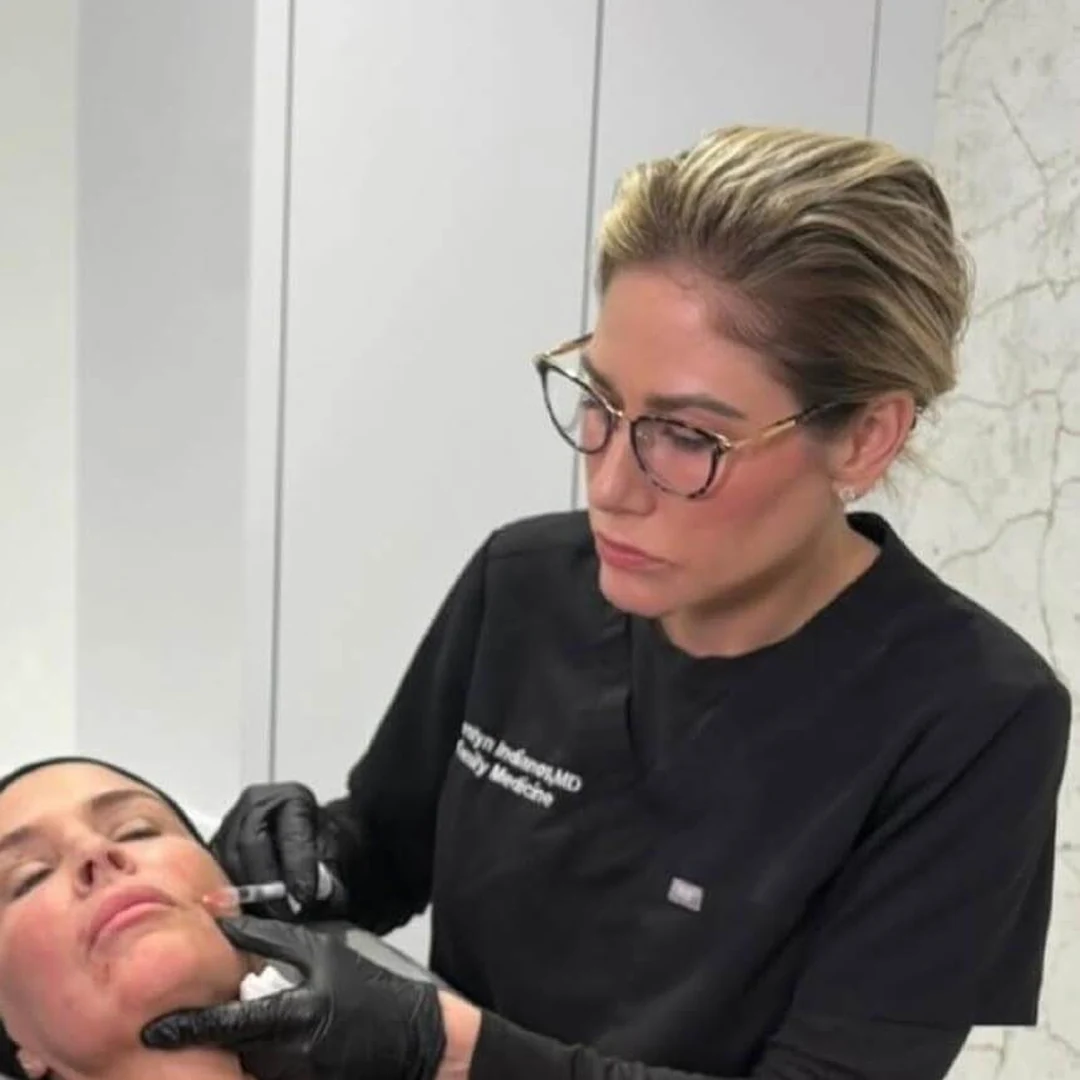
Medically reviewed by Dr. Carolyn Indianos, MD, Founder and Medical Director, Bespoke Aesthetics. Last updated September 2026.
If you want to know whether sauna and cold plunge sessions make sense for your health history and your schedule, the Bespoke Aesthetics team can walk through it at a consultation. Recovery services are available a la carte or bundled into the Longevity and Wellness membership, which includes 15 sessions a month across sauna, cold plunge, red light, and halotherapy for $250 (pricing current as of publication, confirmed at consultation). Call 352-450-1004 or visit joinbespokeaesthetics.com/contact/ to get started.