Search “microneedling benefits” and most of what comes back reads like a highlight reel: glowing skin, vanished scars, a laundry list of ten or twelve things it supposedly fixes. The actual answer is more interesting and more useful, because microneedling works through a mechanism you can actually follow. It works by controlled injury: a device makes a grid of very fine, shallow punctures in the skin, and the skin’s own repair response does the rest. That mechanism is why microneedling works so well on texture and scarring, and why the results keep building for months after your last session. Here is what it does, what the research supports, and how we decide the right plan for your skin.
What to Know
- Microneedling creates controlled micro-injury in the skin, which triggers a wound-healing cascade that increases collagen and elastin production.
- The strongest evidence is for atrophic acne scarring and overall skin texture, which is where most patients see the clearest change.
- Results build over a series of sessions spaced four to six weeks apart, so your skin keeps improving between visits.
- What you see depends on skin type, the concern being treated, needle depth, and how consistently sessions are completed.
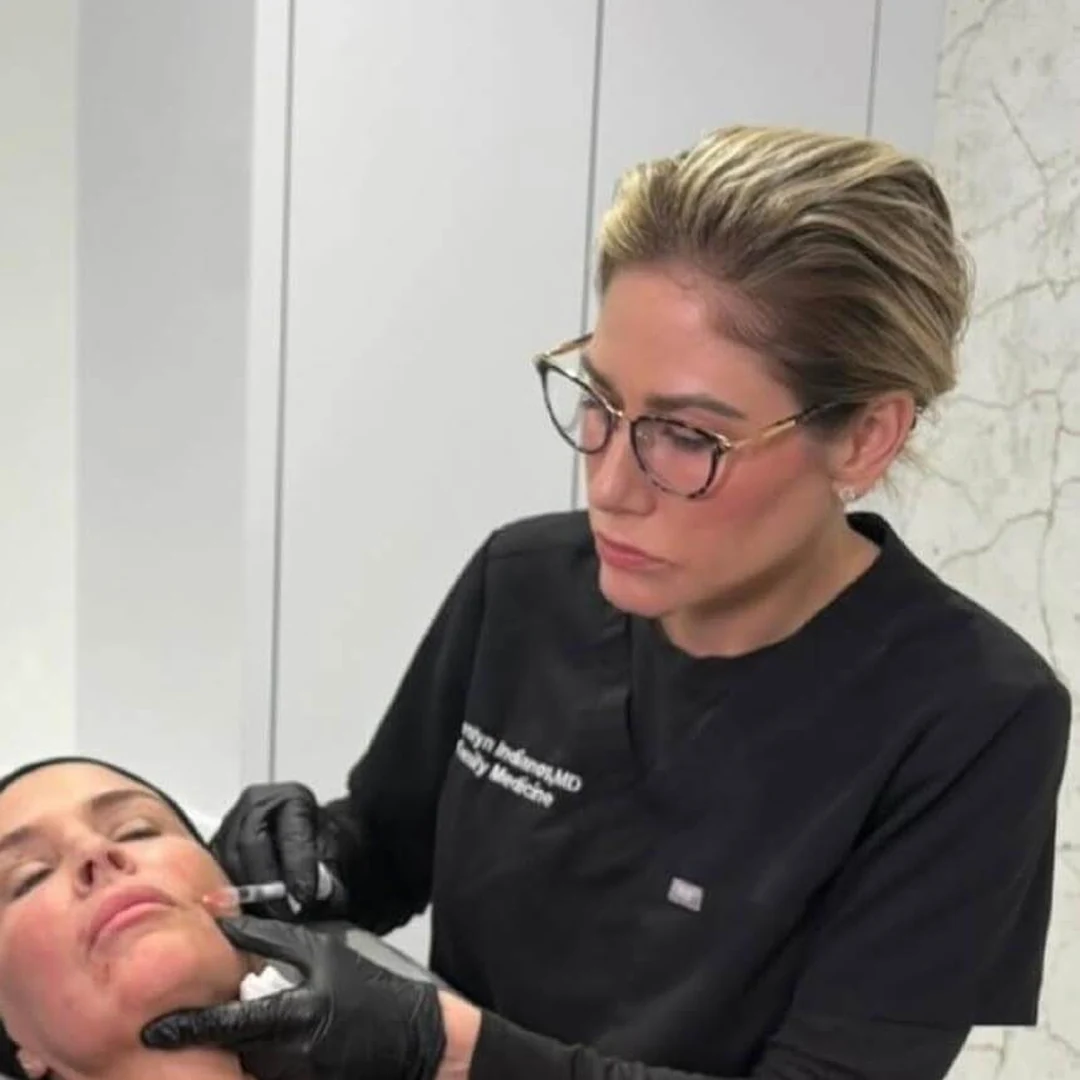
- Dr. Indianos reviews your skin, your health history, and your medications first, so your plan is built around what is safe and effective for you.
- Microneedling is often paired with PRP (platelet-rich plasma) to support the same healing process, which is a different treatment covered separately.
What Microneedling Actually Does to Skin
What does microneedling do, mechanically? A device, either a handheld roller or a motorized pen, drives very fine needles a fraction of a millimeter into the skin in a controlled, repeated pattern. Each puncture is a tiny, intentional injury. The needles themselves do not deliver any active ingredient or reshape tissue directly. The change happens afterward, in the skin’s response.
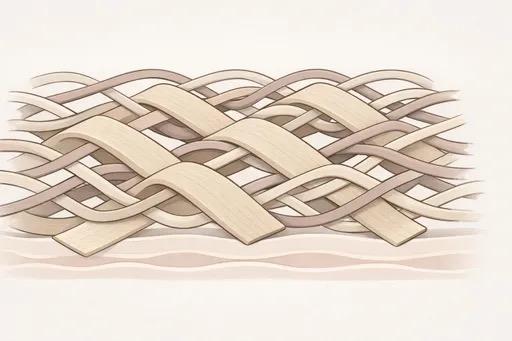
That response follows the same three phases as any wound healing: an inflammatory phase in the first day or two, a proliferative phase over the following weeks where new collagen and elastin fibers are laid down, and a remodeling phase that continues for months as that new collagen matures and organizes. This is the reason a single session rarely produces a dramatic change and why a series matters more than any one appointment. The skin is not being resurfaced or removed, as it would be with a laser or a chemical peel. It is being prompted to rebuild its own support structure from the inside.
The Benefits of Microneedling: What the Evidence Actually Supports
This is where most articles on this topic stop being useful, because “benefits of microneedling” gets treated as one uniform list when the evidence quality is not uniform at all. Some concerns respond consistently in published studies. Others are supported mostly by clinical experience and patient-reported satisfaction rather than strong controlled data. Being honest about the difference is part of what a physician-led practice should offer that a generic listicle will not.
Acne scarring: the strongest evidence
Atrophic acne scars, the shallow depressions left after inflammatory acne, are where microneedling has the best-supported track record. A systematic review and meta-analysis of microneedling for atrophic acne scars, which compared microneedling with chemical peels across 11 studies and 713 participants, found the two broadly comparable, with microneedling more likely to produce at least some improvement in scar severity. It does not erase scarring, and results depend on scar type and depth, but this is the concern where “does microneedling work” has the clearest yes.
Fine lines, texture, and pore appearance
For general skin texture, smoothness, and the appearance of enlarged pores, microneedling has reasonably consistent support, largely because new collagen genuinely does firm and smooth the skin’s surface over time. Fine lines can soften with a series of treatments. Deep, static wrinkles, the kind present even when the face is at rest, respond less predictably and are generally better addressed with other treatments such as neuromodulators or dermal filler, depending on the cause.
Uneven tone and mild pigmentation
Microneedling can support more even-looking tone over a series of sessions, partly through the same collagen response and partly because it is frequently combined with topical serums applied immediately after treatment, when the skin’s temporary micro-channels allow better absorption. Microneedling is best supported for scarring and texture, which is where Dr. Indianos focuses the series.
Stretch marks: real but modest evidence
Microneedling is used for stretch marks and some studies show improvement in texture and color blending, but the evidence base is smaller than for facial concerns and results tend to be more subtle. This is a concern where expectations should be set conservatively from the start.
Microneedling Benefits for Face vs. Other Areas of the Body
Most people asking about microneedling benefits for face are asking about acne scarring, texture, fine lines, and pore appearance, and that is where the technique has the most data and the most clinical experience behind it. On the body, most commonly for stretch marks or scarring elsewhere, the same mechanism applies, but skin thickness, healing speed, and treatment depth differ by area, which is one reason needle depth and session planning are set by a provider rather than standardized across the whole body.
Does Microneedling Work? What to Realistically Expect
Does microneedling work is really two separate questions: does the mechanism hold up, and does it work for your specific concern and skin. The mechanism is well established. Controlled micro-injury triggers a wound-healing response that includes new collagen and elastin production; this is well described in the research. Whether that translates into a visible improvement worth the time and cost depends on the concern being treated, the depth and consistency of treatment, and individual healing response, which varies from person to person and cannot be predicted precisely in advance.
What is realistic: gradual improvement over a series, not a single dramatic transformation. Most protocols involve three to six sessions spaced roughly four to six weeks apart, since the skin needs that window to complete its remodeling phase before the next round of injury is introduced.

Microneedling Benefits: What Is Microneedling Good For
So what is microneedling good for, in plain terms? It is best suited to concerns rooted in collagen and elastin deficiency in the outer layers of skin: atrophic acne scarring, textural roughness, mild fine lines, enlarged pore appearance, and, to a lesser degree, tone and stretch marks. It is not a substitute for treatments aimed at volume loss, deep static wrinkles, active pigment disorders, or skin laxity from significant sun damage or aging, which typically call for a different tool or a combination approach. A consultation is where a provider matches the tool to the actual concern rather than applying one technique to everything.
Microneedling vs. Microneedling with PRP
Standard microneedling relies entirely on the needling itself to trigger the healing response. Microneedling with PRP adds a step: a small blood draw is processed to concentrate platelets and growth factors from your own blood, which are then applied to the skin during the same session. The needling still does the mechanical work of creating micro-injury; the PRP is intended to support the healing and remodeling phase that follows. Whether PRP is worth adding depends on the concern being treated and is a conversation for consultation, not a default upgrade for every patient.
| Concern | What the Evidence Supports | Typical Number of Sessions | Realistic Expectation |
|---|---|---|---|
| Atrophic acne scarring | Well supported in clinical studies | 4 to 6 | Noticeable improvement in scar depth and texture over a series; scars are softened, not erased |
| Fine lines and texture | Reasonably well supported | 3 to 5 | Gradual smoothing and firming; deep static wrinkles respond less predictably |
| Enlarged pore appearance | Supported, tied to collagen response | 3 to 5 | Pores appear smaller as surrounding skin firms; pore size itself is not changed |
| Uneven tone and mild pigmentation | Modest evidence, more variable by skin tone | 4 to 6 | Gradual, subtle evening of tone; best paired with a targeted plan when pigment is the main concern |
| Stretch marks | Emerging evidence, smaller data set | 4 to 6 | Some improvement in texture and blending; results tend to be subtle |
Who Microneedling Is Right For
Microneedling is a controlled injury to the skin, which is exactly why the right candidate and the right technique matter equally. A physician-led screening at consultation covers the following before treatment rather than after:
- Active acne infection or active breakouts: needling can spread bacteria across the treated area and worsen inflammation.
- Certain active skin conditions: active eczema, psoriasis, rosacea flares, or open lesions in the treatment area are generally reasons to wait or avoid the area.
- History of keloid or hypertrophic scarring: anyone prone to raised scarring should discuss this candidly at consultation, since any controlled injury carries some scarring risk in this population.
- Certain medications: some acne medications and blood-thinning medications can affect healing or bleeding risk and should be disclosed before treatment is planned.
- Pregnancy: many providers decline elective microneedling during pregnancy as a precaution, and this should be discussed directly with your provider.
- Bleeding disorders or impaired wound healing: conditions that slow healing or increase bleeding risk change how, or whether, treatment should proceed.
None of this is meant to be alarming. It is the same kind of screening any responsible provider runs before any procedure that intentionally creates micro-injury to the skin, and it is a large part of why this should be done by a trained provider rather than at home with a consumer device.

Frequently Asked Questions
What is microneedling good for?
Microneedling is best suited to concerns caused by collagen and elastin deficiency in the outer layers of skin, including atrophic acne scarring, rough texture, mild fine lines, and the appearance of enlarged pores. It is less suited to deep static wrinkles, volume loss, or active pigment disorders, which typically respond better to a different treatment or a combination approach.
What does microneedling actually do to the skin?
It creates controlled, shallow micro-injuries with fine needles, which triggers the skin’s natural wound-healing response. That response includes new collagen and elastin production over the following weeks, which is what gradually improves texture, tone, and the appearance of some scarring.
Does microneedling work for acne scars?
Acne scarring, specifically atrophic scarring, is the concern with the strongest published evidence for microneedling. Studies show measurable improvement in scar depth and texture after a series of treatments, with scars softened and texture smoothed.
How many sessions does it take to see results?
Most protocols involve three to six sessions spaced roughly four to six weeks apart, since the skin needs that window to complete each remodeling cycle before the next treatment. A single session rarely produces a dramatic change.
Is microneedling safe for all skin types?
Microneedling is well tolerated across a wide range of skin types, and a physician screening confirms it suits yours. Dr. Indianos screens every patient at consultation, reviewing your skin, your health history, your medications, and anything that affects healing, so the plan she builds is the one that will work safely for you.
Medically reviewed by Dr. Carolyn Indianos, MD, Founder and Medical Director, Bespoke Aesthetics. Last updated October 2026.
Microneedling can be a genuinely effective tool for the right concern, but the concern, the skin, and the plan all have to match before a session is booked. Dr. Carolyn Indianos, MD, Founder and Medical Director at Bespoke Aesthetics, evaluates your skin and goals at consultation and builds a treatment plan around what the evidence actually supports for you, not a generic protocol. For guidance on caring for your skin after treatment, see our microneedling aftercare guide. Call 352-450-1004 or visit joinbespokeaesthetics.com/contact/ to schedule, or learn more on the microneedling page.