
The injections themselves take a few minutes. What you do in the hours and days after matters more than most people expect, and it is where good botox aftercare either protects your result or works against it. Most of the guidance is simple, but a few common habits, like lying down right after treatment, hitting the gym on the way home, or sitting in a sauna that evening, may, in theory, encourage the toxin to spread toward muscles it was never meant to reach. Here is what to avoid, what is normal, and which symptoms need a call to the clinic or immediate medical care rather than a wait-and-see.
One governing rule sits above everything below: this is general guidance, not a substitute for the specific instructions your provider gives you at your appointment. Your injector may adjust these recommendations based on the areas treated, your medical history, or your response to previous treatments, and their instructions take priority over anything general written here.
What to Know
- Stay upright and avoid rubbing or massaging the treated area for the first several hours after injection.
- Skip strenuous exercise, alcohol, saunas, and hot yoga for the rest of the day, and in some cases longer if your provider advises it.
- Botox recovery time is short. Most people resume normal activity the same day and see full onset over the following one to two weeks.
- Mild bruising, redness, or small bumps at injection sites are common and usually settle within a few days.
- Facials, massage, and other pressure on the treated area should wait, typically 24 to 48 hours, until your provider clears it.
- Difficulty swallowing, speaking, or breathing, or muscle weakness that spreads beyond the treated area, needs immediate medical care. New drooping of the eyelid or brow should be reported to the clinic promptly.
The First 24 Hours After Botox
The first 24 hours are when aftercare choices carry the most weight, because this is the window before the toxin has fully settled into the targeted muscle. Botulinum toxin needs time to bind to nerve endings in the treated area. Activities that increase blood flow to the face, apply pressure to the injection sites, or encourage the product to migrate can affect how evenly it settles, which is part of why so many of the “what not to do” rules cluster in this early window.
In practice, this means a fairly ordinary day: avoid touching or pressing on the treated areas, skip the gym, skip alcohol, and hold off on lying flat for extended periods. None of this requires taking the day off work. Most patients go straight back to normal errands, meetings, and routines. The restrictions are specific, not a general instruction to rest.
Why Providers Recommend Staying Upright and Avoiding Lying Down
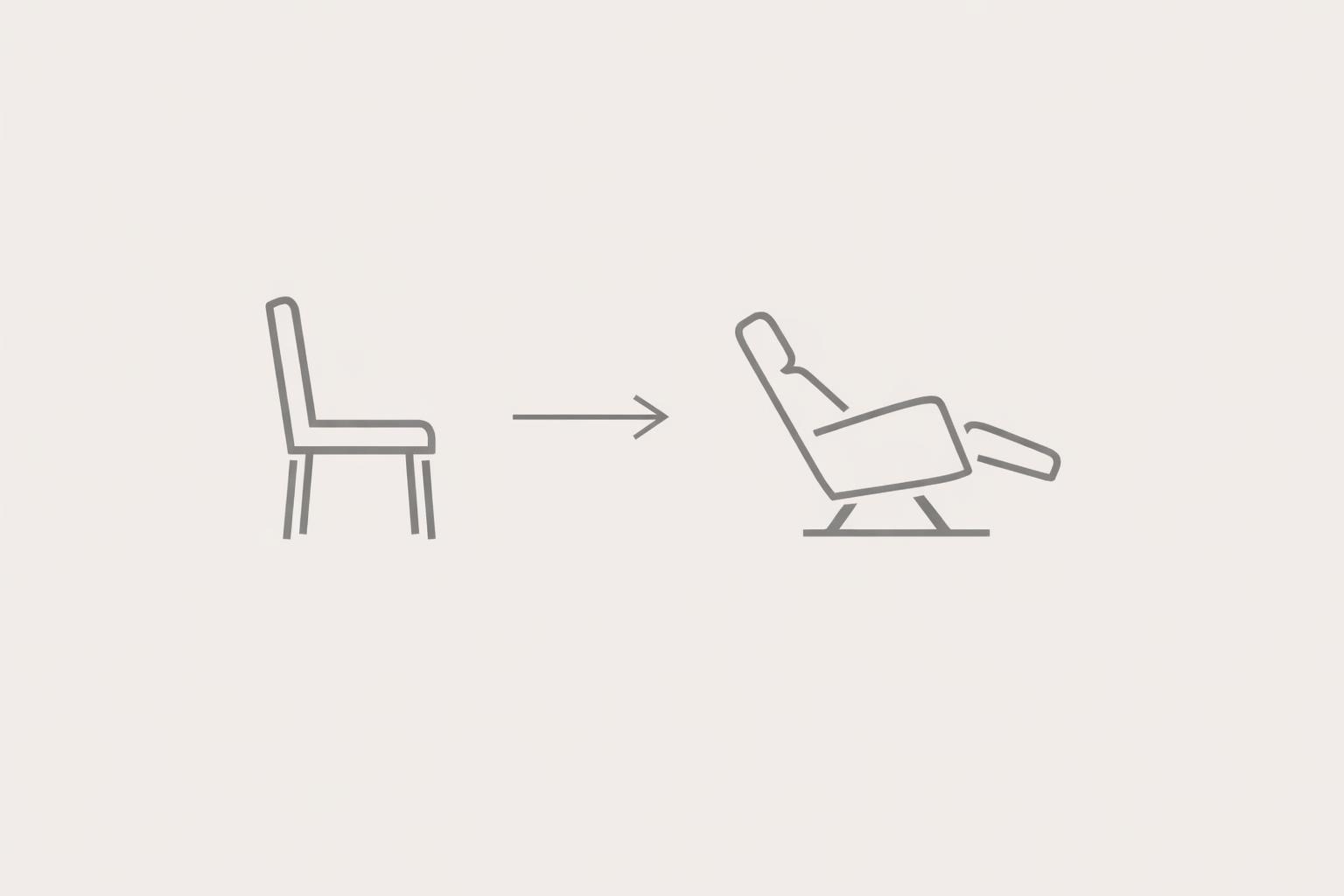
Staying upright for several hours after treatment is one of the most common instructions patients hear, and the reasoning is straightforward: lying down, especially face-down, applies gravity and pressure in a way that could theoretically encourage the product to spread beyond the intended muscle before it has bound in place. Most providers advise remaining upright for three to four hours, with some extending that further depending on the areas treated. Bending over for long stretches or resting your head in your hands has the same effect and is usually included in the same guidance.
This is one of the areas where individual instructions matter more than a general rule, since the timeframe can vary by injector and by treatment area. Follow the specific instructions your provider gives you at your appointment rather than a fixed number you find online.
Exercise and Botox Recovery Time
Exercise raises heart rate and blood pressure, which increases circulation to the face and can encourage swelling or bruising at the injection sites. Most providers recommend avoiding strenuous exercise, heavy lifting, and activities that involve bending upside down (yoga inversions, for example) for the remainder of the day after treatment, sometimes longer for certain treatment areas.
This is also where botox recovery time is often misunderstood. There is very little actual downtime. Onset typically begins within three to five days, with the full effect visible around one to two weeks after injection. “Recovery” mostly refers to this settling window, not an incapacitated period. A light walk is generally fine. An intense workout, a spin class, or a hot yoga session the same day is not.
Alcohol After Botox
Alcohol thins the blood and can make bruising and swelling more likely at the injection sites. Most providers recommend avoiding alcohol for at least 24 hours before and after treatment for this reason. It is not a safety issue with the toxin itself so much as a bruising and swelling issue, but bruising is the single most common complaint patients raise after treatment, so this is a habit worth taking seriously if a bruise-free result matters to you for an event or photos.
Heat, Saunas, and Sweating After Botox
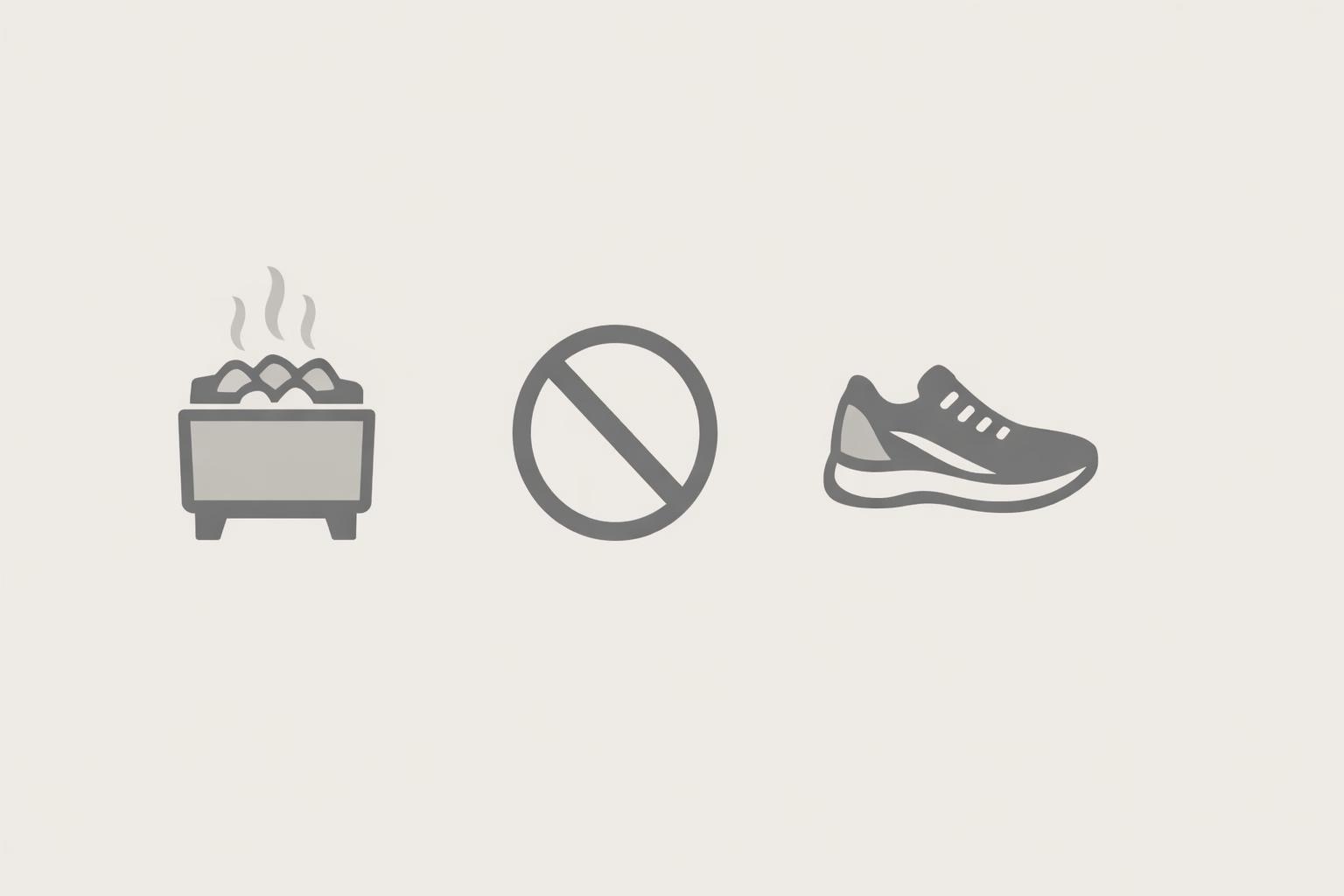
Heat exposure, whether from a sauna, steam room, hot tub, tanning bed, or a long stint in direct sun, increases blood flow to the skin and can raise the risk of swelling, flushing, and bruising in the treated area. Most providers ask patients to avoid these for the remainder of the day, and in some cases for 24 to 48 hours. If a heated workout or a sauna session is part of your regular routine, the simplest approach is to schedule your treatment for a day when you can skip it rather than working around it the same evening.
If infrared sauna sessions are part of your regular wellness routine, plan those on a different day from your Botox appointment rather than the same one.
Facials, Massage, and Makeup After Botox
Any treatment that involves pressure, massage, or manipulation of the face, including facials, gua sha, jade rolling, chiropractic adjustments that involve the neck and face, and deep facial massage, should generally wait until your provider clears it, typically 24 to 48 hours. The concern is the same as with lying down: pressure on the treated muscle before the toxin has settled could affect how evenly it distributes.
Makeup is usually fine once the injection sites have closed and any visible redness has settled, often within a few hours, but apply it gently rather than rubbing it in over the treated areas. If you have a facial or a massage booked close to your Botox appointment, it is worth rescheduling one of the two rather than stacking them on the same day.
Bruising After Botox: What Is Normal
Mild bruising, small red bumps, and slight tenderness at the injection sites are common and expected. Botox is delivered with a very fine needle, but any needle can nick a small blood vessel under the skin, and some patients bruise more easily than others regardless of technique. This typically resolves within a few days to about a week. Applying a cold compress in short intervals during the first few hours can help with initial swelling, and avoiding blood thinners like aspirin or fish oil in the days before treatment, when medically appropriate and cleared with your own physician, can reduce the likelihood of bruising.
Bruising is cosmetic and temporary. It is different from the warning signs below, which involve muscle function rather than the skin’s surface, and those are the ones that warrant prompt attention rather than patience.
Botox Aftercare by Timeframe
| Timeframe | Do | Do Not | Why |
|---|---|---|---|
| First 3 to 4 hours | Stay upright, go about light normal activity | Lie down flat, rub or press the treated area | Reduces the chance the product shifts before it settles into the muscle |
| Rest of day 1 | Apply a cold compress briefly if swelling occurs | Exercise strenuously, drink alcohol, use a sauna or hot tub, get a facial or massage | Limits blood flow, pressure, and heat that can increase bruising and swelling |
| Days 2 to 3 | Resume normal skincare and most activities | Book facials or deep massage without your provider’s clearance | Injection sites are still settling and bruising, if present, is still resolving |
| Days 3 to 14 | Watch for onset, note any changes to mention at follow-up | Assume no visible change means the treatment did not work | Full onset typically takes one to two weeks to appear |
When to Call the Clinic or Seek Emergency Care
Most side effects after Botox are minor and self-limited: mild bruising, a small headache, or temporary redness at the injection site. A small number of symptoms are not normal. Some need immediate medical care, and others should prompt a call to your provider rather than a wait-and-see approach.
Seek immediate medical care (call 911 or go to the nearest emergency room) for:
- Difficulty swallowing, speaking, or breathing
- Muscle weakness that seems to be spreading beyond the treated area
- Signs of a serious allergic reaction, such as swelling of the face, lips, or throat, hives with difficulty breathing, or feeling faint
These symptoms can appear hours to weeks after an injection. Call your provider promptly for:
- Drooping of the eyelid or eyebrow that is more than mild or is worsening
- Vision changes, including blurred or double vision
These effects are uncommon, but they are the reason Botox should always be administered by a qualified, experienced injector who can assess your history and respond quickly if something is not tracking as expected. For the emergency symptoms above, get immediate care first and let the clinic know afterward. For the others, call your provider’s office directly rather than waiting for your next scheduled visit. Documented side effects and warning signs for onabotulinumtoxinA are also listed on the MedlinePlus onabotulinumtoxinA drug information page.

Frequently Asked Questions
What should I avoid immediately after Botox?
Avoid lying down for several hours, touching or massaging the treated area, strenuous exercise, alcohol, and heat exposure from saunas, hot tubs, or tanning beds for the rest of the day. Follow the specific timeframe your provider gives you, since it can vary by treatment area.
How long does Botox recovery take?
There is minimal downtime. Most patients return to normal activity immediately, with only same-day restrictions on exercise, alcohol, and heat. Full onset of the treatment itself develops over one to two weeks, which is the “recovery time” most people are actually asking about.
Is bruising after Botox normal?
Mild bruising or small red bumps at injection sites are common and usually resolve within a few days to about a week. It is a needle effect, not a sign the treatment was done incorrectly. Muscle weakness, drooping, or difficulty swallowing or breathing are different and are not normal. Trouble swallowing, speaking, or breathing, or weakness that spreads, needs immediate medical care.
Can I work out the day after Botox?
Most providers clear light activity the day after treatment. The main restriction is the day of treatment itself, when strenuous exercise, heavy lifting, and heat-heavy workouts should be avoided. Confirm your specific timeline with your provider, especially if you train intensely.
When should I call my provider after Botox?
Call promptly if you notice eyelid or eyebrow drooping beyond mild or vision changes. Difficulty swallowing, speaking, or breathing, muscle weakness that seems to be spreading, or signs of a serious allergic reaction need immediate medical care, not a wait for a call back. These are uncommon and can appear hours to weeks after treatment.
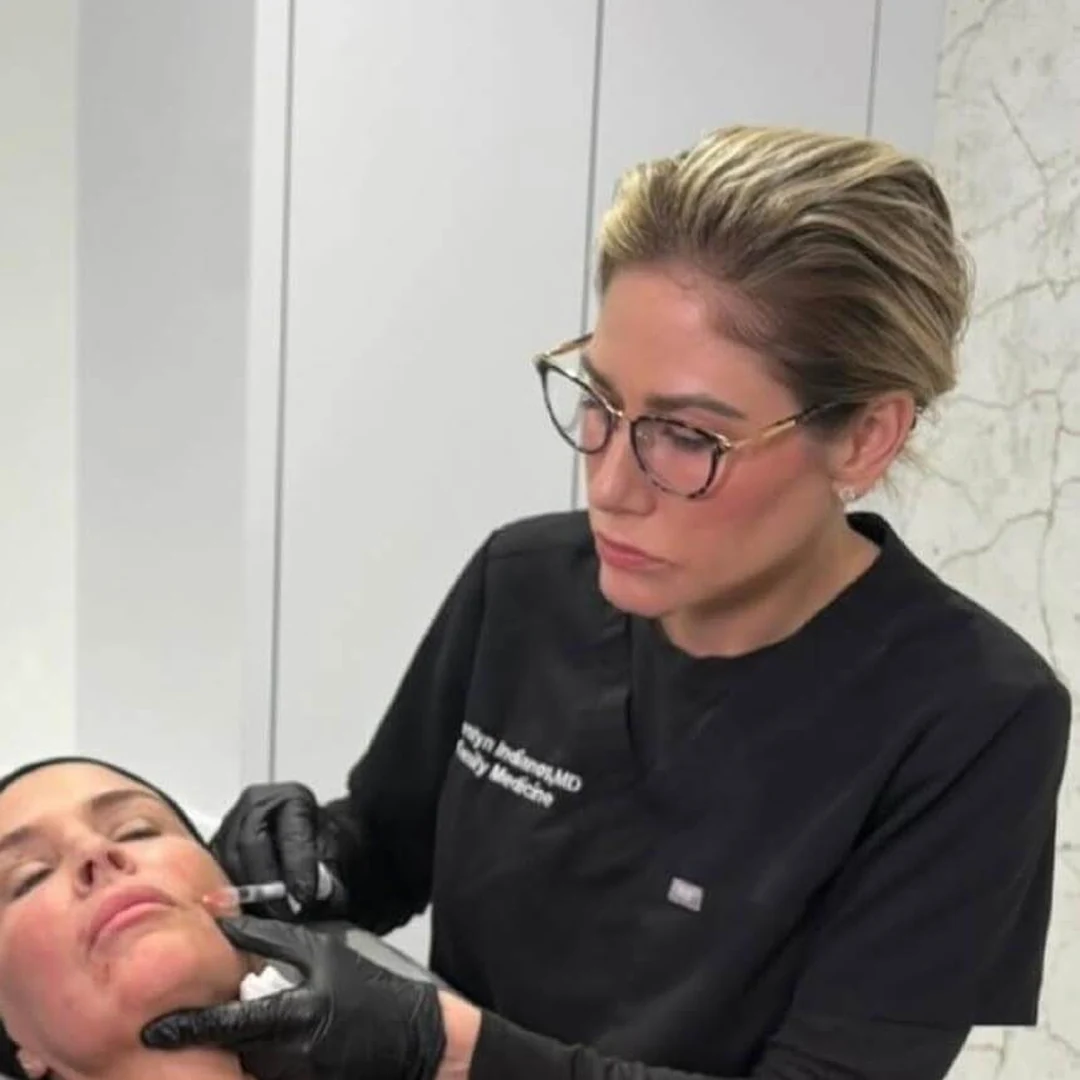
Medically reviewed by Dr. Carolyn Indianos, MD, Founder and Medical Director, Bespoke Aesthetics. Last updated August 2026.
Good aftercare protects a good result, but it starts with a treatment plan built for your anatomy in the first place. Dr. Carolyn Indianos, MD, Founder and Medical Director at Bespoke Aesthetics, reviews your history and goals at consultation and walks you through exactly what to expect afterward. Call 352-450-1004 or visit joinbespokeaesthetics.com/contact/ to schedule, or learn more about treatment on the Botox page.