
If you are asking does PRP work for hair loss, the honest answer is that the evidence is real but mixed, and it depends heavily on what is actually causing your hair loss in the first place. Platelet-rich plasma (PRP) is one of the more studied regenerative options for scalp thinning, but it is not a universal fix and it is not the same treatment as exosome therapy, even though the two get bundled together in marketing. Below is a plain look at how PRP for the scalp works, what the current research shows, how exosomes differ, and why a diagnosis has to come before either one.
What to Know
- PRP for hair loss has supportive evidence for androgenetic alopecia (pattern hair loss), but study quality is inconsistent across the research and results vary by patient. It is not proven to work equally well for every cause of thinning.
- Exosome products used in aesthetics are not FDA-approved for hair restoration or any therapeutic use. The FDA has issued a public safety notification about unapproved exosome products.
- Diagnosis comes before treatment. Hair loss has multiple causes, including pattern hair loss, telogen effluvium, thyroid or nutrient-driven shedding, and autoimmune conditions, and not every cause responds to PRP or exosomes.
- PRP is typically delivered as a course of sessions, not a single visit, with spaced maintenance afterward.
- Neither PRP nor exosome therapy is a treatment or cure for any diagnosed medical hair loss condition, and no clinic can guarantee regrowth. Individual results vary.
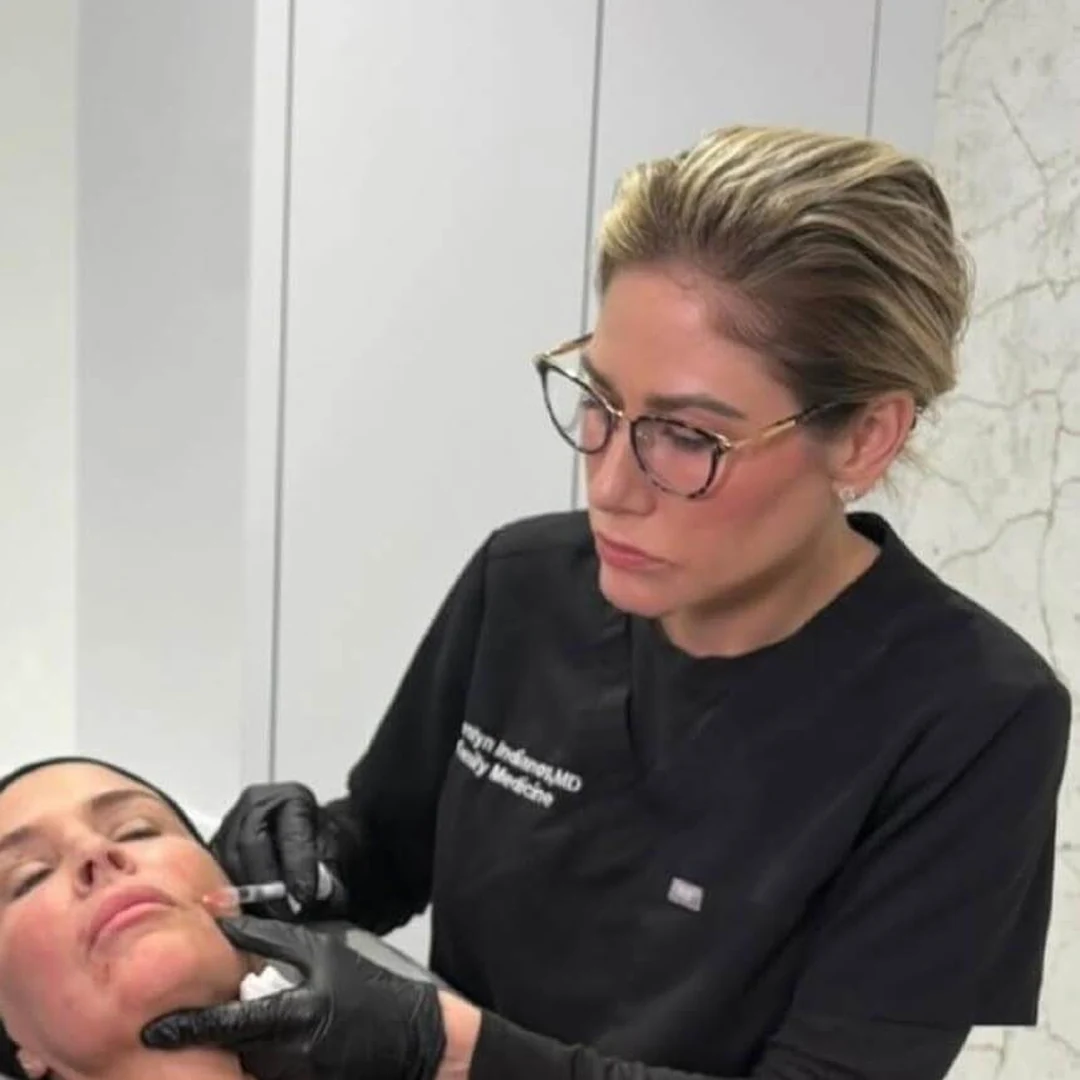
- At Bespoke Aesthetics, treatment plans are overseen by Dr. Carolyn Indianos, MD, Founder and Medical Director.
Why Diagnosis Comes First
“Hair loss” is not one condition. Androgenetic alopecia (the genetic, pattern form of thinning) behaves differently than telogen effluvium, a temporary shedding pattern triggered by physical stress, rapid weight change, illness, or nutrient deficiency. Thyroid dysfunction, low iron or ferritin, and autoimmune conditions like alopecia areata can all produce visible thinning that looks similar at a glance but requires a different response. PRP is studied primarily for androgenetic alopecia. Applying it to a cause it was not designed for wastes time and money and delays the correction that would actually help.
This is also why patients who start a GLP-1 medication and notice new shedding should not assume PRP is the answer before a cause is confirmed. That kind of shedding is usually thought to reflect rapid weight loss (a form of telogen effluvium) rather than the medication acting on the follicle directly, though research on it is still limited. Compounded semaglutide and tirzepatide are not FDA-approved. A proper workup, including relevant lab panels through our lab services, is the starting point for any hair loss evaluation, not an optional add-on.
How PRP for the Scalp Works
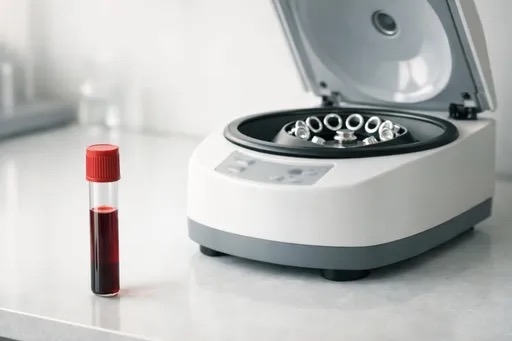
PRP starts with a standard blood draw, done in-office. The blood is spun in a centrifuge to concentrate the platelets, which carry growth factors involved in the body’s normal repair signaling. That concentrated plasma is then injected into the scalp in the areas of thinning, typically using a fine needle in a grid pattern across the treatment zone. The visit generally takes under an hour from draw to finish, and most patients return to normal activity the same day with only mild, short-lived scalp tenderness.
Because PRP is prepared from a patient’s own blood, it does not carry the sourcing questions that come with lab-manufactured products. That does not make it a guaranteed treatment. It makes it a well understood, autologous procedure with a supportive but uneven evidence base, discussed in more detail below.
What Exosomes Are, and Why the Regulatory Status Matters
Exosome products used for hair restoration are not derived from the patient’s own blood. They come from a separate, lab-processed cell source and are typically applied to the scalp, often paired with microneedling. Interest in exosomes for hair has grown quickly, but the science is still developing, and the regulatory picture is the part patients most need to hear plainly: exosome products marketed for aesthetic or therapeutic use, including hair restoration, are not FDA-approved. The FDA has issued a public safety notification on unapproved exosome products, including reports of adverse events tied to certain products on the market. Any practice offering exosome treatment for hair loss should discuss this openly, before booking, not after. For a full breakdown of how exosomes work and how they differ from PRP across skin and hair applications, see our page on exosome therapy.
Does PRP Work for Hair Loss? What the Evidence Shows
This is the question worth answering honestly rather than optimistically. Multiple studies and systematic reviews have looked at PRP for androgenetic alopecia, and taken together, the evidence is supportive but heterogeneous. Several trials report improvements in hair density or hair count compared with baseline or placebo. Others report smaller effects or no statistically significant difference. Part of the inconsistency comes from the studies themselves: sample sizes are often small, PRP preparation methods vary from clinic to clinic and study to study, and the number and spacing of sessions is not standardized across the literature.
What that means in practice: PRP is a reasonable, studied option to discuss for androgenetic alopecia, not a settled cure with predictable results for every patient. It is not shown to work for every cause of hair loss, and no responsible clinic can promise a specific outcome or timeline. A physician who tells you PRP will definitely regrow your hair is overstating what the research supports. For readers who want to review the primary literature directly, PubMed’s index of published research on platelet-rich plasma and androgenetic alopecia is a good starting point.
PRP vs Exosomes for the Scalp
| PRP | Exosomes | |
|---|---|---|
| What it is | Concentrated platelets from the patient’s own blood | Lab-processed particles carrying proteins, growth factors, and genetic signals |
| Source | The patient’s own blood, drawn in-office | A separate cell source, not the patient’s own blood |
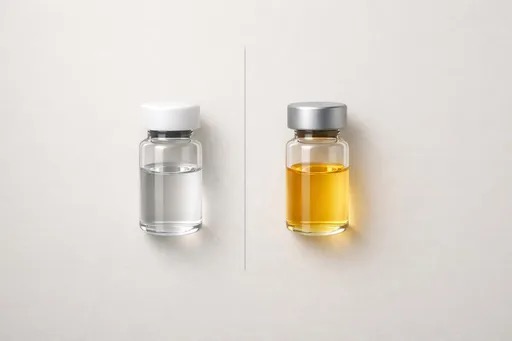
| Evidence status | Supportive but heterogeneous evidence for androgenetic alopecia, not a guaranteed outcome | Early-stage, developing research for hair thinning support, not established treatment |
| Regulatory status | Standard autologous (patient’s own blood) technique used across medical and aesthetic settings | Not FDA-approved for aesthetic or therapeutic use; FDA has issued a public safety notification on this category |
| Session structure | Blood draw, centrifuge processing, then scalp injection | Topical or microneedled application, often paired with microneedling |
Where PRF and PDGF Fit
Two related names often come up in the same conversation, and they are easy to mix up. PRF, or platelet-rich fibrin, is a close cousin of PRP. It also starts with a small draw of your own blood, but the sample is spun at a lower speed and without an anticoagulant, so the platelets and white cells stay held in a soft fibrin matrix. That preparation is then injected into the scalp or applied with microneedling. Because the fibrin holds the platelets in place, PRF is thought to release growth factors more gradually than PRP. Research on PRF for hair loss is smaller and earlier than the PRP research, so it is best seen as a variation worth discussing rather than a proven upgrade. Like PRP, it is prepared from your own blood rather than sold as an approved drug, and it is not FDA-approved as a hair loss treatment.
PDGF-based products start from a different place. PDGF stands for platelet-derived growth factor, one of the repair signals platelets release, but these products are prepared in a lab and are not derived from your own blood, so no blood draw is involved. Their appeal is a labeled, more consistent concentration instead of one that depends on your platelet count that day. The tradeoff is the one that applies to other lab-made products: PDGF preparations used in aesthetic treatments are not FDA-approved for hair loss, some are compounded, and the evidence for hair specifically is limited.
Neither option changes the basic rule of this article. PRF and PDGF are choices Dr. Indianos may discuss once the cause of thinning is known, neither is a guaranteed treatment, and individual results vary.
What a PRP Course Looks Like
PRP for hair loss is not a one-time visit. Most published protocols use an initial series of sessions spaced several weeks apart, commonly followed by periodic maintenance sessions spaced further apart once the initial series is complete. The exact number and spacing is a clinical decision made with your physician based on your diagnosis, response, and goals, not a fixed package applied to every patient. Because hair growth cycles unfold over months, a single session is not expected to produce a visible change, and a course that is stopped early is unlikely to reflect what a full series could show.

Who Is (and Is Not) a Candidate
PRP is generally considered for patients with early to moderate androgenetic alopecia who still have active follicles in the thinning area, since PRP is understood to support existing follicle activity rather than create new follicles where none remain. Patients with certain blood disorders, active scalp infection, or other contraindications identified during a health history review are not appropriate candidates, and a physician makes that determination at consultation, not the patient beforehand. Patients whose hair loss is caused by an active autoimmune condition, an underlying thyroid or nutrient issue, or a diagnosis that has not yet been confirmed should have that cause identified and addressed first, since PRP is not a substitute for treating the actual underlying condition.
“Before and After”: What Realistic Change Looks Like
Patients understandably want to know what to expect. We are not going to show you before-and-after photos or promise a specific result, because no honest clinic can guarantee an outcome and individual results vary. What patients pursuing PRP for scalp thinning are generally watching for is reduced shedding over time, and in some cases a gradual increase in the density and thickness of hair in areas that were already thinning, not the appearance of hair in areas with no remaining follicle activity. Because hair growth cycles take months, meaningful change is not expected in the first few weeks. Most patients who respond notice gradual differences over a period of several months of a completed course, not immediately after a single session. Some patients see a modest, worthwhile improvement. Others see little to no visible change. That range is exactly what “supportive but heterogeneous evidence” means in practice, and it is why setting expectations honestly matters more than a confident sales pitch.
Frequently Asked Questions
Does PRP actually regrow hair?
PRP is studied as a way to support existing hair follicle activity in androgenetic alopecia, not as a treatment that creates new follicles or guarantees regrowth. Evidence is supportive but mixed across studies, and results vary by patient.
How is PRP different from exosome therapy for hair loss?
PRP is made from the patient’s own blood, drawn and processed in-office. Exosome products come from a separate, lab-manufactured cell source and are not FDA-approved for hair restoration or any therapeutic use. They are different treatments with different regulatory standing.
Are exosome hair treatments FDA-approved?
No. Exosome products marketed for aesthetic or therapeutic use, including hair restoration, are not FDA-approved. The FDA has issued a public safety notification on unapproved exosome products, and a physician-led practice should discuss this openly as part of informed consent.
How many PRP sessions will I need?
Most published protocols use an initial series of sessions followed by periodic maintenance, but the exact number is a clinical decision based on your diagnosis and response, not a fixed package. Your physician sets this plan at consultation.
What causes of hair loss does PRP not help?
PRP is studied primarily for androgenetic alopecia in patients with active follicles. It is not a substitute for treating telogen effluvium triggers, thyroid dysfunction, nutrient deficiencies, or autoimmune hair loss. Those causes need to be identified and addressed directly, which is why diagnosis comes before any scalp treatment is chosen.
What is the difference between PRF and PDGF for hair loss?
PRF (platelet-rich fibrin) is made from your own blood, spun at a lower speed without an anticoagulant, and injected or microneedled back into the scalp. PDGF-based products are prepared in a lab and are not derived from your own blood. Neither is FDA-approved as a hair loss treatment, research on both for hair is limited, and no result is guaranteed.
Medically reviewed by Dr. Carolyn Indianos, MD, Founder and Medical Director, Bespoke Aesthetics. Last updated August 2026.
If you are dealing with thinning hair and want an honest answer about whether PRP or a different approach fits your diagnosis, and where exosome products stand today, schedule a consultation with Dr. Indianos at Bespoke Aesthetics. Call 352-450-1004 or visit joinbespokeaesthetics.com/contact to get started.