
If you have stood in the skincare aisle or scrolled through ten different “holy grail anti-aging” posts, you have probably run into the retinol vs tretinoin question and walked away more confused than when you started. Both are vitamin A derivatives. Both are backed by real research on fine lines, texture, and acne. But they are not interchangeable, and picking the wrong one for your skin’s tolerance is the most common reason people quit retinoids altogether. This guide breaks down the actual differences: strength, how you get each one, what “retinization” and purging really mean, and how to build a routine (including skin cycling) that you can stick with.
What to Know
- Retinol is available over the counter. Tretinoin is a prescription medication that requires a clinician’s evaluation.
- Tretinoin is retinoic acid itself, so it goes to work without a conversion step. Retinol has to convert through two extra steps first, which is why it acts more gradually.
- Both can cause an initial adjustment period of redness, flaking, or dryness, sometimes called “retinization” or purging. Mild redness and flaking are common while skin adjusts, but significant burning, swelling, blistering, or irritation that does not settle needs a clinical check.
- Tretinoin is not safe during pregnancy or while trying to conceive. This applies to prescription retinoids generally.
- Skin cycling, alternating retinoid nights with recovery nights, is one of the more reliable ways to introduce either product without overwhelming the skin barrier.
- What you see depends on skin type, consistency, and what else is in your routine. Neither product works the same way for every person.
Retinol vs Tretinoin: The Core Difference
The retinol vs tretinoin comparison starts with chemistry. Retinol is a form of vitamin A that your skin has to convert into retinoic acid, the form that actually binds to skin cell receptors and drives change. That conversion happens in two steps, and it is inefficient, so only a fraction of the retinol you apply ends up as active retinoic acid.
Tretinoin is retinoic acid already. There is no conversion step. It goes to work faster and, generally speaking, more forcefully, which is exactly why it requires a prescription and clinical oversight rather than sitting on a drugstore shelf next to a moisturizer.
That single distinction, direct acid versus a precursor that needs converting, explains almost every other difference on this page: strength, speed, and who should be using which one.
Prescription vs Over the Counter
Retinol, along with related over the counter ingredients like retinaldehyde and encapsulated retinol, is sold without a prescription because its potency is lower and more forgiving. You can find it in serums, creams, and treatment lines at a range of price points, including in medical-grade skincare formulations that carry higher, more stable concentrations than typical drugstore products.
Tretinoin is FDA-approved as a prescription medication and is available in generic form or under brand names, Retin-A being the one most people recognize. If you have been searching Retin-A vs retinol, that is the same comparison being made here: Retin-A is a brand of tretinoin, so the meaningful distinction is still prescription tretinoin against over the counter retinol. Getting it means a conversation with a clinician who can look at your skin, your history, and your goals, and decide whether tretinoin is appropriate and what starting approach makes sense for you. This is not a formality. Tretinoin can cause significant irritation if introduced too aggressively, and a clinician’s guidance around frequency and pairing products matters more than any general internet advice, including this article.

Strength and Speed of Results
Because tretinoin skips the conversion step, it tends to produce visible changes in texture and tone in a shorter timeframe than retinol, and it is the retinoid with the most robust clinical research behind it for acne and photoaging. Retinol works through the same biological pathway but more slowly, which for many people also means a gentler entry point and a lower likelihood of significant irritation early on.
Neither is a fast fix. Skin cell turnover operates on a weeks-to-months timeline, not days, and neither product produces guaranteed or uniform outcomes. Consistency matters more than strength on its own.
Retinization and Purging: What the Adjustment Period Actually Is
Many people starting a retinoid, tretinoin especially, go through an adjustment window that dermatology circles often call retinization: redness, dryness, flaking, and sometimes a temporary uptick in breakouts as skin cell turnover speeds up. Mild redness and flaking during this window are common and usually reflect the skin adjusting to a new rate of cell turnover.
That said, there is a real difference between expected mild irritation and a reaction that warrants stopping and getting evaluated: significant burning, swelling, blistering, or irritation that does not settle down is a reason to pause and check in with the clinician who prescribed it, rather than pushing through on your own. This is another reason tretinoin is not something to self-titrate based on a routine you read online.
Skin Cycling Routine: How to Build One That Sticks
Skin cycling is a simple framework that has become popular for a good reason: it gives skin scheduled recovery time instead of asking it to tolerate an active ingredient every single night. A common structure looks like this:
- Night 1: exfoliating step (if your routine includes one)
- Night 2: retinoid night
- Nights 3 and 4: recovery nights focused on moisturizer and barrier support, no actives

This is one general framework, not a prescription, and it is not a recommended schedule for tretinoin specifically. Confirm your cadence with your clinician before starting. The right cadence, and whether a retinoid should be used nightly, every other night, or a few times a week, is something to work out with a clinician who can see how your skin is actually responding, particularly if tretinoin is part of the plan. A well-built routine also means the rest of your regimen, cleanser, moisturizer, sunscreen, is doing its job, since retinoids increase sun sensitivity and a broad-spectrum SPF is not optional while using either one.
Retinoids also pair with in-office treatments, and the sequencing matters. If you are combining a retinoid routine with a resurfacing treatment such as microneedling, your clinician will usually advise pausing the retinoid around the procedure so the skin barrier is not being asked to recover from two things at once.
Who Tends to Do Better With Which
Retinol is often a reasonable starting point for people newer to active skincare, those with more reactive or sensitive skin, or anyone who wants a gradual on-ramp before considering a prescription-strength option. Tretinoin tends to suit people with more resilient skin, more established acne or photoaging concerns, or those who have already built tolerance to retinol and want a stronger, clinically directed option.
Because tretinoin is contraindicated in pregnancy, anyone who is pregnant, trying to become pregnant, or breastfeeding should not use it, and should discuss safer alternatives with their clinician. This is a firm line, not a case-by-case judgment call.
The position we take at Bespoke is that most people do not fail retinoids, they fail the on-ramp. The usual pattern is starting too strong, too often, without barrier support, hating the first three weeks, and quitting. That is a sequencing problem, not a skin-type problem, and it is why we would rather put someone on a lower strength they will actually use for a year than a prescription strength they abandon in a month.
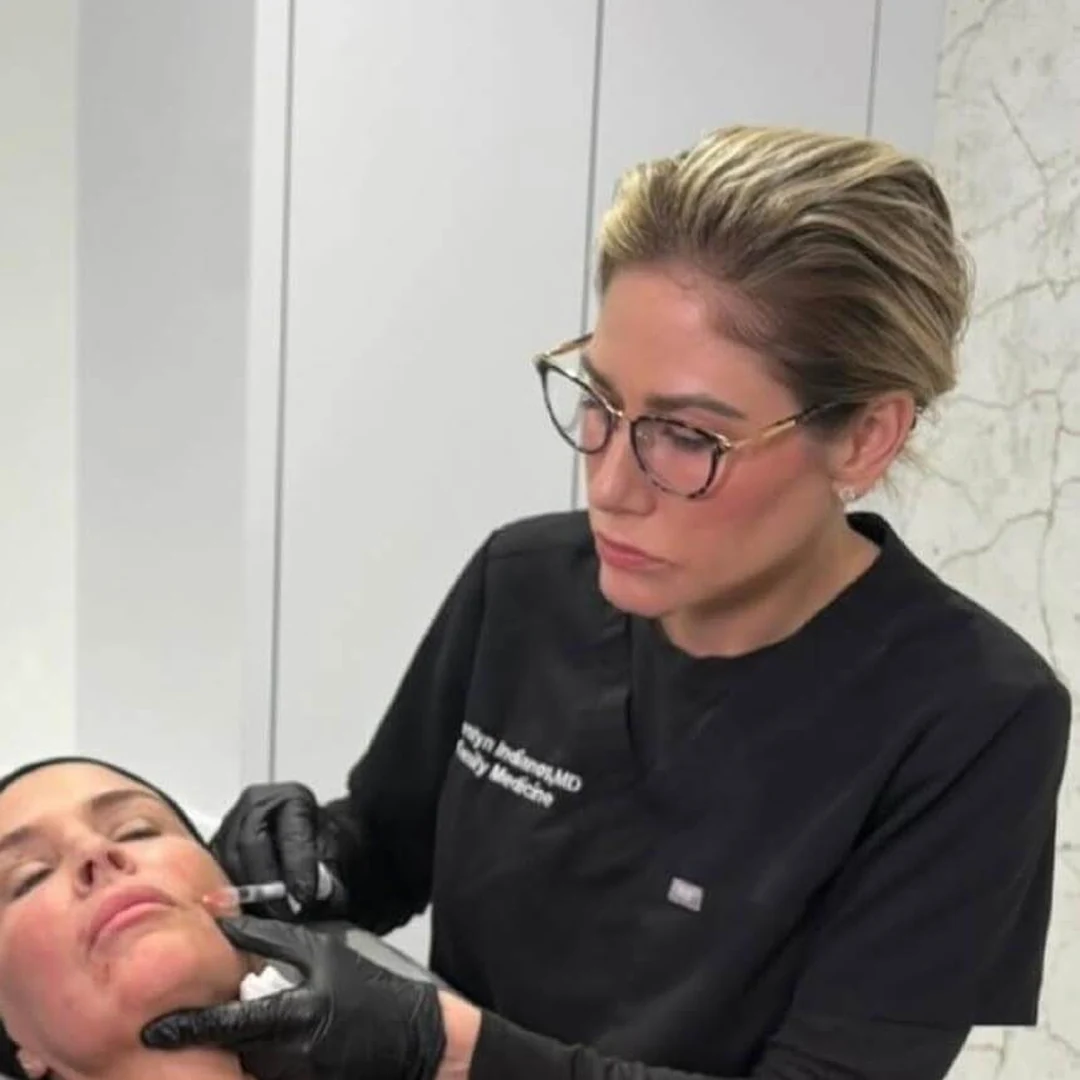
A clinical skin assessment, rather than trial and error, is the most reliable way to land on the right choice. At Bespoke Aesthetics, Dr. Carolyn Indianos and her team build medical-grade skincare plans around your specific skin type, history, and goals, so the retinoid you end up using (and how you introduce it) fits your skin rather than a generic internet routine.

| Factor | Retinol | Tretinoin |
|---|---|---|
| Strength | Lower, requires conversion to retinoic acid in the skin | Higher, is retinoic acid, works directly |
| Availability | Over the counter | Prescription only, requires clinician evaluation |
| Typical adjustment period | Milder, often a few weeks | More pronounced, generally several weeks to a few months |
| Best candidate | Retinoid beginners, sensitive or reactive skin | More resilient skin, established acne or photoaging concerns, under clinical guidance |
| Cost basis | Wide range, varies by formulation and concentration | Prescription cost plus the clinical visit required to obtain it |
For a detailed clinical overview of tretinoin and its indications, see the StatPearls tretinoin monograph hosted by the National Center for Biotechnology Information.
Frequently Asked Questions
Is tretinoin just a stronger version of retinol?
In practical terms, yes. Tretinoin is retinoic acid itself, while retinol has to convert into retinoic acid through extra steps in the skin. That is why tretinoin tends to act faster and more forcefully, and why it is prescription-only rather than sold over the counter.
Can I use retinol and tretinoin together?
Layering two retinoids is generally not recommended, since it increases the risk of irritation without a clear added benefit. If you are considering moving from retinol to tretinoin, that transition is best planned with a clinician rather than combined on your own.
How long does the purging or retinization phase last?
It varies by person and by product strength, but a period of flaking, redness, or mild breakouts in the first several weeks is common with either retinoid. Individual timelines vary, and significant or worsening irritation should be evaluated rather than pushed through.
Is tretinoin safe during pregnancy?
No. Tretinoin is not recommended during pregnancy or while trying to conceive. Anyone who is pregnant, planning a pregnancy, or breastfeeding should talk with their clinician about safer alternatives.
What is skin cycling and do I need to follow it exactly?
Skin cycling is a general framework that alternates active nights with recovery nights so the skin barrier gets a chance to rebuild. It is a helpful starting structure, but the right cadence for your skin, especially with a prescription retinoid, is something to confirm with a clinician rather than a fixed rule.
Medically reviewed by Dr. Carolyn Indianos, MD, Founder and Medical Director, Bespoke Aesthetics. Last updated August 2026.
If you have already tried a retinoid and quit because your skin hated it, that is worth bringing in rather than writing off. A skin assessment with Dr. Indianos sorts out whether the product was wrong or the introduction was, and builds the routine around the answer. Call 352-450-1004 or visit the contact page to book one.