If you are researching crows feet Botox treatment, you have probably noticed that the crinkles at the outer corner of your eyes do not behave like the vertical lines between your brows or the horizontal lines across your forehead. That is because they come from different muscles, and botulinum toxin type A, the neurotoxin sold under the brand name Botox among other brands, works by relaxing the specific muscle beneath each one. Botox is one brand of botulinum toxin type A. The specific product used in your treatment is selected by your physician at consultation, not chosen off a menu. Understanding what each area does, and does not, address is the first step toward a result that looks rested rather than frozen.
What to Know
- FDA approval is specific to each product. Botox Cosmetic is FDA-approved in adults for glabellar lines (frown lines), lateral canthal lines (crow’s feet), forehead lines, and platysma bands on the neck. Other botulinum toxin type A products have different approved indications, and approvals are updated over time.
- Botox is one brand of botulinum toxin type A. Your physician selects the specific product used for your treatment.
- Each area is treated by relaxing a different muscle or muscle group, so a good result in one area does not automatically mean the same approach works in another.
- Treating one area can change how a neighboring area looks, most notably brow position, since several of these muscles work against each other.
- Onset is typically three to seven days, with the full effect visible around two weeks. Duration generally runs three to four months. Individual results vary.
- No dosing information here is a recommendation. Unit counts and injection patterns are determined by your physician based on your anatomy and goals.
The Three Upper-Face Areas and FDA Approval, at a Glance
FDA approval covers a specific product for a specific use. Botox Cosmetic is FDA-approved in adults for the glabella (frown lines between the brows), the lateral canthal lines (crow’s feet), the forehead, and platysma bands on the neck. Which areas are approved differs by product and changes as manufacturers seek new indications, so your provider will tell you where a given product is approved and where its use is off-label. Other uses common in aesthetics, including the “lip flip,” bunny lines on the nose, chin dimpling, and masseter injections for jaw clenching, are off-label. Off-label does not mean unsafe or unstudied. It means the FDA’s formal approval process covered a specific indication, and use outside that indication is guided by clinical judgment and published research rather than an FDA-reviewed label. A physician who explains this distinction plainly, rather than glossing over it, is doing their job correctly.
Forehead Lines

The horizontal lines that run across the forehead come from the frontalis, a single broad muscle that lifts the eyebrows and wrinkles the skin above them when you raise your brows or express surprise. Relaxing this muscle softens those horizontal lines. It is also the muscle most responsible for holding your eyebrows up, which is why forehead treatment requires more judgment than the other two areas. Treat it too heavily and the brow can feel or look heavier, sometimes described as a “hooded” appearance, because the muscle that was propping the brow up is no longer doing that job as forcefully. This is one reason a physician evaluates your baseline brow position and forehead strength before recommending a treatment pattern, rather than applying the same approach to every patient.
Glabellar Lines, or Frown Lines

The vertical lines between the eyebrows, sometimes called “elevens,” come from the corrugator and procerus muscles, which pull the brows down and together when you frown, concentrate, or squint. This is the original FDA-approved indication for cosmetic botulinum toxin, and it remains the most studied of the three areas. Relaxing these muscles softens the vertical creases and, because the corrugators pull against the frontalis, also has a secondary effect on brow position: less downward pull from the glabella can allow the brow to sit slightly higher or more level. That interaction is exactly why glabellar and forehead treatment are usually planned together rather than as two unrelated decisions.
Crows Feet Botox, or Lateral Canthal Lines

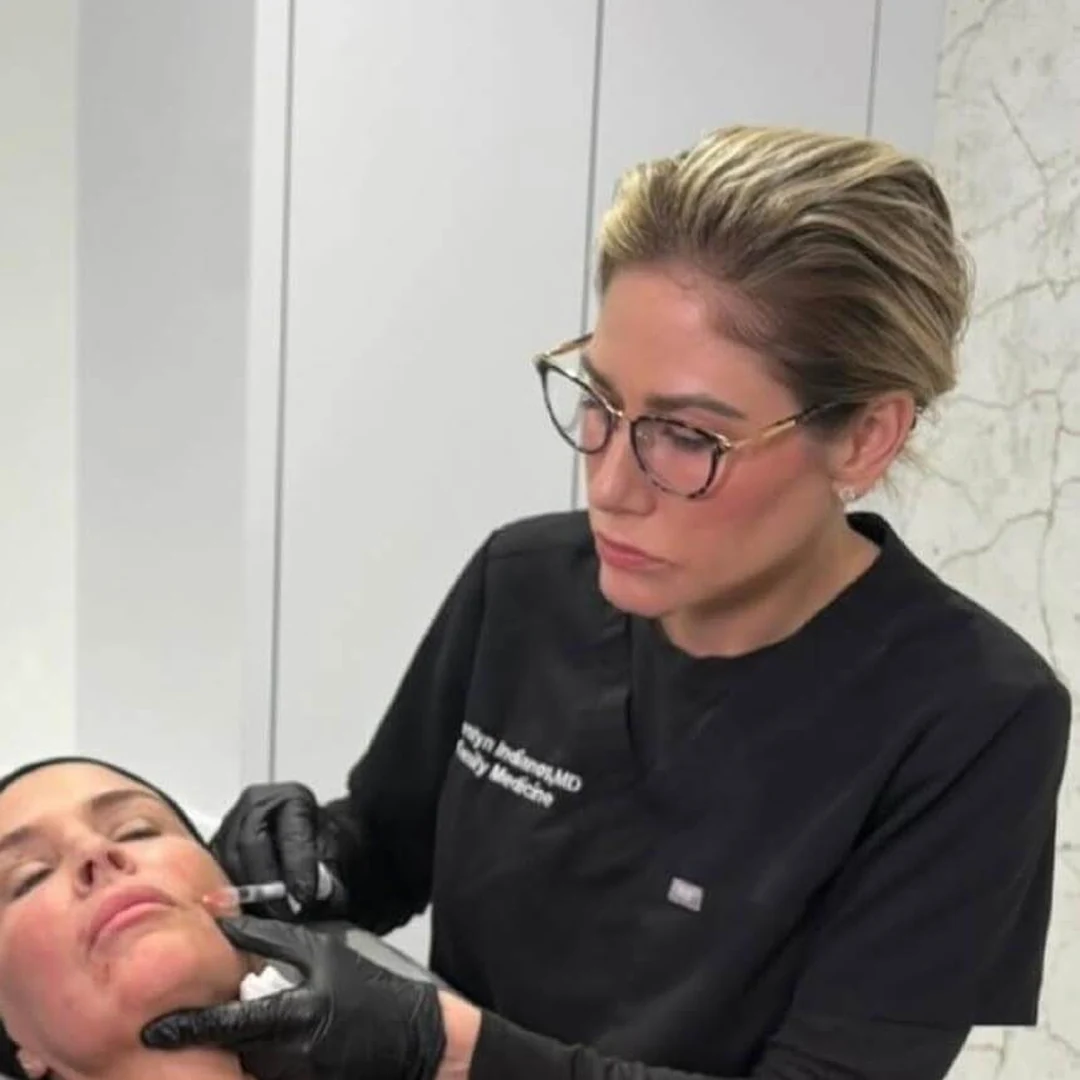
Crow’s feet, the fine lines that fan out from the outer corner of the eye, come from the orbicularis oculi, the ring-shaped muscle that closes the eyelid and is heavily activated by smiling and squinting. Botox crows feet treatment relaxes the outer portion of this muscle to soften those lines while aiming to preserve the muscle’s core job of closing the eye. Because this area sits close to the eye itself, injection technique and placement matter more here than in a lot of other facial areas, which is part of why this should be done by a physician with specific experience in the periocular region rather than treated as a routine, interchangeable injection.
Why Treating One Area Can Affect the Others
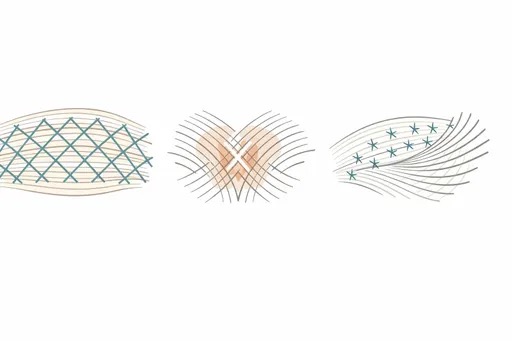
The forehead, glabella, and outer eye area do not work in isolation. The frontalis lifts the brow. The corrugators and procerus pull it down and in. The upper portion of the orbicularis oculi also contributes to brow position at the outer edge. Because these muscles work against each other, treating one without accounting for the others can shift the balance in a way you did not expect, such as a brow that looks slightly asymmetric or a forehead that feels stiffer than intended. This is the main reason an experienced injector maps the upper face as a system during consultation rather than pricing and planning each line as a separate transaction. It is also why patients asking about crow’s feet alone sometimes leave with a plan that includes a small, conservative amount in the glabella or forehead too, not because more is automatically better, but because the areas are mechanically connected.
If your primary concern is jaw tension or a squarer lower face rather than upper-face lines, that is a different muscle and a different, off-label use of the same toxin family, covered in our companion guide on masseter Botox for jaw clenching and TMJ. And if you are earlier in the process and weighing whether to start treatment before lines are fully formed, that timing question is addressed separately in our guide to preventative Botox.
On-Label vs Off-Label: What This Means for You
On-label simply means the FDA reviewed clinical trial data for that specific use and approved it. For Botox Cosmetic, forehead lines, glabellar lines, and crow’s feet all cleared that bar, and other brands are approved for different areas. Areas like the masseter muscle or a subtle brow lift achieved through selective forehead treatment are used off-label: supported by clinical experience and published literature, but outside the product’s FDA-approved indications. A physician who uses botulinum toxin off-label should be able to explain why it is appropriate for you, what the evidence looks like, and what alternatives exist. That disclosure is not a formality. It is part of informed consent, and you should expect it in writing as well as in conversation before any treatment begins. For a detailed clinical reference on how botulinum toxin works and its approved and studied uses, see this StatPearls overview of botulinum toxin.
| Area | What It Addresses | On-Label or Off-Label | Typical Onset and Duration |
|---|---|---|---|
| Forehead lines | Horizontal lines from the frontalis muscle, active with brow raising and expression | On-label for Botox Cosmetic | Onset in 3 to 7 days, full effect near 2 weeks, lasts about 3 to 4 months |
| Glabellar lines (frown lines) | Vertical lines between the brows from the corrugator and procerus muscles | On-label for Botox Cosmetic | Onset in 3 to 7 days, full effect near 2 weeks, lasts about 3 to 4 months |
| Crow’s feet (lateral canthal lines) | Fine lines at the outer eye from the orbicularis oculi muscle, active with smiling and squinting | On-label for Botox Cosmetic | Onset in 3 to 7 days, full effect near 2 weeks, lasts about 3 to 4 months |
| Other areas (for example, masseter for jaw clenching) | Varies by muscle; not an FDA-approved cosmetic indication | Off-label | Varies by area and muscle size; discussed at consultation |
Frequently Asked Questions
Is Botox for crow’s feet FDA-approved?
Yes, for Botox Cosmetic. Lateral canthal lines, the clinical name for crow’s feet, are an FDA-approved indication for Botox Cosmetic in adults, alongside glabellar lines, forehead lines, and platysma bands. Other botulinum toxin brands have different approved indications.
Can I get just my crow’s feet treated, or do I need my forehead too?
You can treat crow’s feet on their own. Many patients do exactly that. Whether your physician also recommends the forehead or glabella depends on your individual muscle activity and how the areas interact, which is evaluated at consultation rather than assumed in advance.
Why does my forehead feel heavy after Botox?
A heavy or hooded feeling usually points to the frontalis being relaxed more than the brow’s supporting structures can compensate for, since that muscle also helps hold the brow up. It typically fades as the treatment wears off, and it is worth discussing with your physician before your next session so the pattern can be adjusted.
How long does Botox in these three areas last?
Effects generally last about three to four months, though this varies by individual, muscle strength, and how consistently you maintain treatment over time. Results are not permanent and repeat treatment is needed to sustain them.
What is the difference between Botox and other botulinum toxin brands?
Botox is one specific brand of botulinum toxin type A. Other brands exist and are not identical formulations, though they share the same general mechanism. Your physician selects the specific product used in your treatment based on your goals and their clinical judgment, and can explain the reasoning for that choice at consultation.
Medically reviewed by Dr. Carolyn Indianos, MD, Founder and Medical Director, Bespoke Aesthetics. Last updated September 2026.
Three lines, different muscles, and no single default plan that fits every face. Dr. Carolyn Indianos, MD, Founder and Medical Director at Bespoke Aesthetics, evaluates your forehead, glabella, and outer eye area together before recommending anything, so the plan matches how your face actually moves. Call 352-450-1004 or visit joinbespokeaesthetics.com/contact/ to schedule a consultation.